

Lessons from the Pandemic, One Year Later
Isabel McDevitt is an Executive Vice President at The Doe Fund.
At the start of 2020, a global pandemic was inconceivable. Yet here we are, one year into what is no longer the “new” normal. Through this shocking, tragic, and life-altering time, COVID-19 has shown us the best and worst of our society, our institutions, and our way of life.
In the earliest reactions to the pandemic, we witnessed altruism and self-preservation at once. Some delivered hot meals to isolated neighbors while others hoarded toilet paper.
On a larger scale, a stark divide emerged. The New York Times reported that 40% of the population from Manhattan’s most affluent neighborhoods left the City, as retail locations closed and unemployment spiked to 18.3% by May. 650,000 New Yorkers lost their jobs as a direct result, and many remain out of work today.
It’s understandable that those with means would seek distance and comfort when offices closed and work went remote. But the painful reality is that for most of us, decamping to second homes was impossible. Those at the bottom rungs of the economic ladder became disproportionately susceptible, both to the deadly impact of COVID-19 and the economic fallout it caused.
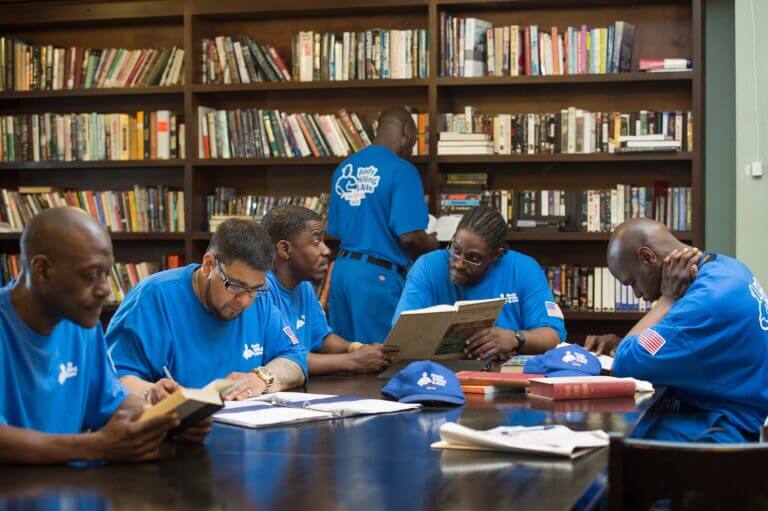
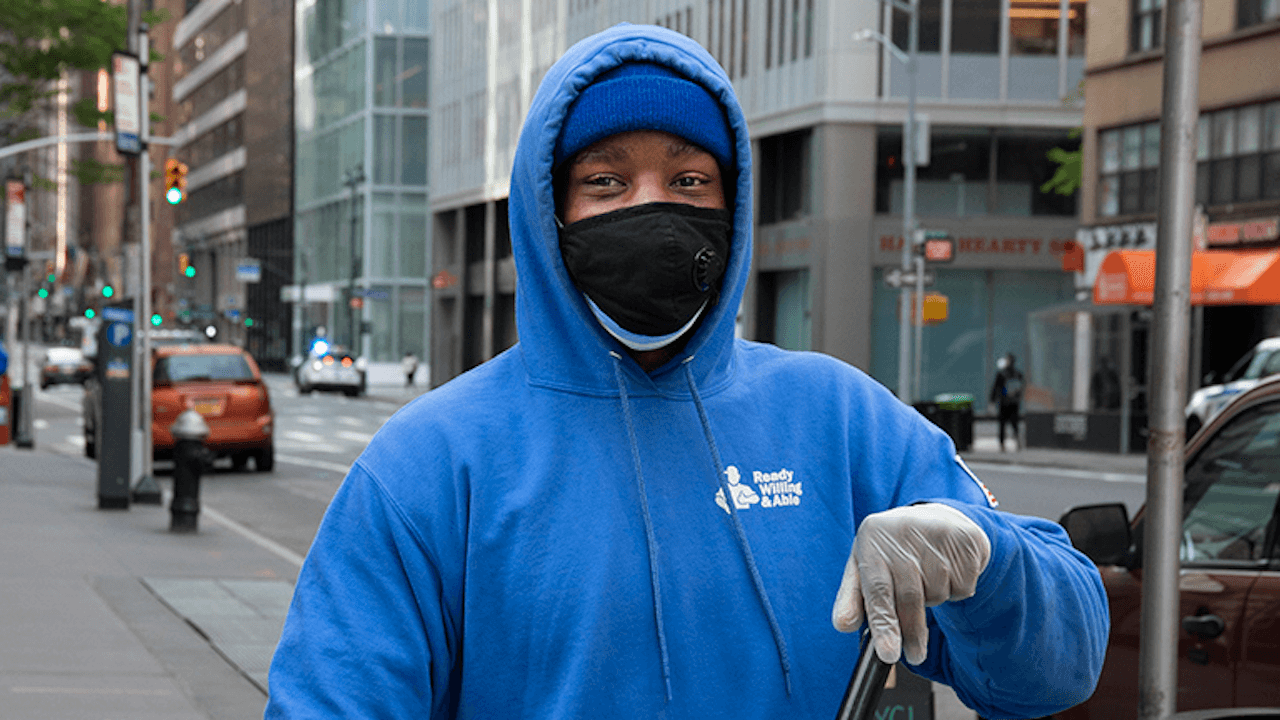
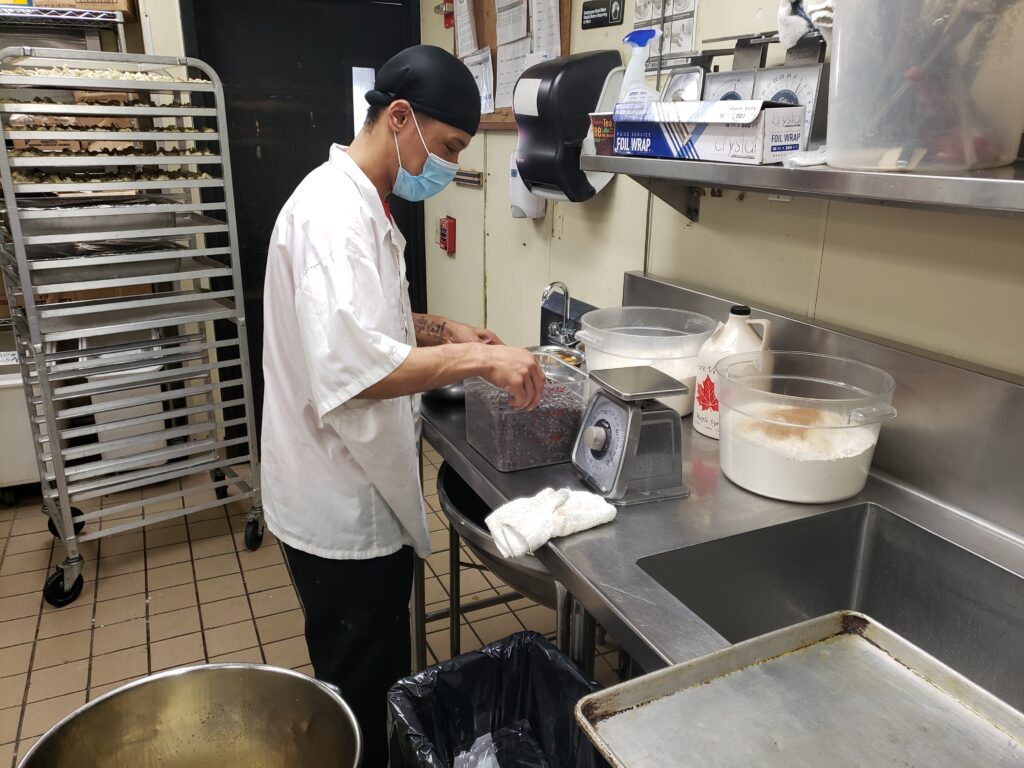
As the City shut down one year ago this month, The Doe Fund stepped up to serve those left behind. Staff members quickly instituted CDC guidelines in our transitional and supportive housing programs to keep more than 1,000 residents safe. We transferred over half our trainees to the Bentley Hotel to ensure social distancing, moved our classroom trainings online, and put graduates who were laid off back to work. The Men in Blue became frontline heroes, donning personal protective gear and providing enhanced sanitation services so New Yorkers could have peace of mind when they left their apartments for necessities.
The past year has altered the trajectory of history. We have all been forced to think differently, to alter our routines and lifestyles whether we wanted to or not. A spotlight has illuminated conditions of inequity and systemic failures that once festered in the shadows. It is our choice whether we close our eyes to avoid the light, or if we watch the show, or if we boldly jump on stage and participate to make things better.”
The good news is we have already seen efforts that will not only pull us out of the public health crisis, but also address the deep economic and societal divides it exposed. The question is whether we leverage this alarm bell for long-term change, or we hit snooze.
Despite efforts to stem eviction through moratoriums and stimulus dedicated to rental assistance, a tsunami of homelessness is coming if we don’t address housing affordability and reimagine our solutions. We also need an economic recovery that prioritizes training disadvantaged, out of work Americans for career-oriented jobs and growth sectors.
As we build back better, The Doe Fund is at the nexus of the most important issues facing our country. We are at the forefront of breaking cycles of homelessness, unemployment, and recidivism while advancing racial equity and economic justice.
Our solutions are needed more than ever, and we have doubled down on our priorities:
- Work. We know that meaningful and sustainable employment is the key to creating and maintaining housing stability. With this in mind, we are innovating our Work Works approach to increase paid opportunities in social enterprise. We are also adapting workforce development efforts to place Ready, Willing & Able trainees in growing industries such as green jobs, as well as in skilled trades facing hiring shortages.
- Housing. We are leading innovative collaborations to address the crisis of affordable housing for workers making less than $20 an hour by seeking to increase housing stock through creative development opportunities, such as a revived and reimagined Single Room Occupancy residence.
If the pandemic is evidence that the seemingly impossible can happen, let it also inspire us to challenge and change the status quo. Let’s look straight into the chasms unearthed by the COVID-19 and fill the void with meaningful, actionable, sustainable solutions to build stronger communities.