


Leading by Example — Today and Every Day
Elevating Black experiences doesn’t begin and end in February. For The Doe Fund’s staff, it takes place every day — so we asked three team members to share what it means to be a leader of color, and to reflect on their work within the context of Black history in America.
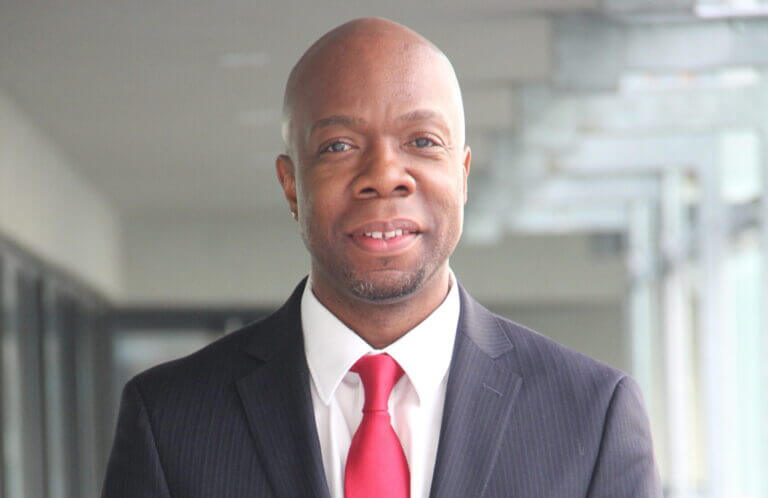
Cheryl Dennis — Senior Director of Supportive Housing

For generations, Black families were excluded from homeownership through redlining and discriminatory lending, leading to the wealth disparities we see today. In New York City in particular, others saw their communities displaced or destroyed by urban renewal projects.
Cheryl Dennis, Senior Director of Supportive Housing, sees services like ours as a critical remedy, one that goes beyond helping individuals to revitalizing entire disenfranchised communities.
“Sustained investment in supportive housing strengthens entire communities — not just the individuals who reside in the housing. Supportive housing often transforms vacant lots and dilapidated structures into safe, modern developments that contribute to neighborhood revitalization,” Cheryl says.
In other words, supportive housing is not only about providing stable homes — it’s about building healthier, safer neighborhoods.
“When we invest in supportive housing, we invest in safer streets, healthier residents, and stronger local economies. It is not simply a social service — it is a service to the community.”
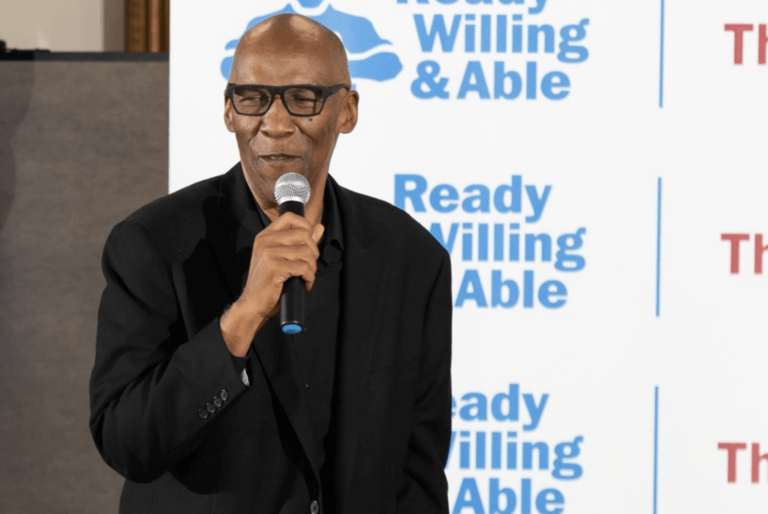
Orisha Jordan — Vice President of Housing Placement Services

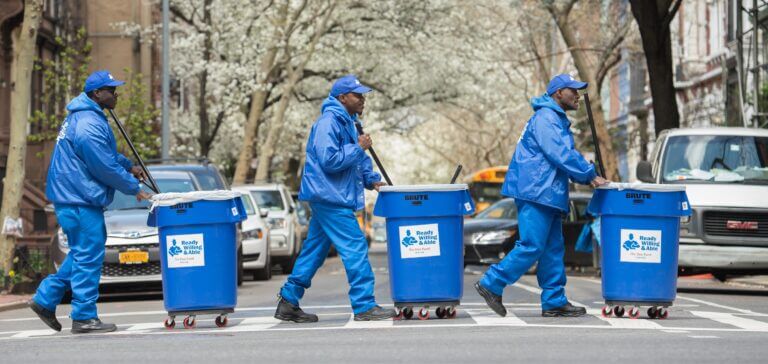
In her 30-year career at The Doe Fund, Orisha Jordan has touched nearly every part of our work, from providing Ready, Willing & Able graduate services to her current role overseeing the placement of trainees into permanent housing.
That experience has shown her how job and housing insecurity traps people in a state of immediate survival, limiting opportunity for advancement.
“Operating in a constant state of survival leaves little room or energy for growth opportunities. When individuals don’t feel safe and secure, it can actively limit their long-term potential and lead them to make decisions simply to survive, despite the consequences.” Orisha explains.
By providing the resources to obtain more secure housing and employment, Orisha sees Ready, Willing & Able as an extension of Dr. King’s call for economic justice. As he said in his “I Have a Dream” speech:
“One hundred years later, the Negro lives on a lonely island of poverty in the midst of a vast ocean of material prosperity… In a sense we’ve come to our nation’s capital to cash a check… that will give us upon demand the riches of freedom and the security of justice.”
William Glenn — Program Director, Harlem Center for Opportunity

At its core, Ready, Willing & Able is a mentorship model. We pride ourselves on having people with lived experience — folks who have experienced homelessness or incarceration themselves, including Ready, Willing & Able graduates — on staff to serve as role models and aspirational figures for trainees.
As the Program Director of The Doe Fund’s Harlem Center for Opportunity, William Glenn sees the impact of that approach every day.
“It’s so important for the population we serve to see leaders who have shared their experiences, says Will, “because they can identify with them and believe in them. That means having Black leaders visible at every step through the program to show: if I can do it, you can too.”
Looking Ahead
Black History Month reminds us that the fight for economic justice has always been about expanding access to opportunity, stability, and dignity.
At The Doe Fund, we remain committed to carrying that work forward — supporting New Yorkers with the housing, employment, and long-term resources they need to build stronger futures.