


Guest Post: Breaking the Cycle of Homelessness Post-Incarceration
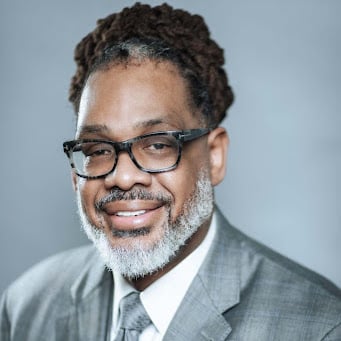
The Doe Fund is proud to partner with like-minded leaders as we work together to end homelessness and recidivism. We are excited to share the thoughts of Dr. Jocelynne Rainey, CEO of Getting Out, Staying Out (GOSO) in this guest post.
At Getting Out and Staying Out (GOSO), a Harlem-based nonprofit dedicated to helping young men affected by arrest and incarceration, one of the biggest challenges we face is helping program participants find stable housing. A recent report by the Coalition for the Homeless found that the rate of homelessness among single adults reached an all-time-high in New York City, with approximately 21,000 adults sleeping in shelters in February 2021. Tragically, one of the most common reasons people enter a shelter is they simply don’t have any other options after they’re released from jail or prison.
In fact, homelessness for people who have been involved in the justice system is not an aberration. Through our work with young men aged 16 to 24 who have been involved with the justice system, we see how prevalent homelessness really is for the people we serve. I think it’s fair to say that we have over 20% of our program participants in unstable housing situations at any given time. Further, the process of securing stable housing can take as little as two months or as long as two years—even with a housing voucher. We’re thankful to see the city slowly return to normalcy following the COIVD-19 pandemic, but the delays in finding housing remain.
Homelessness: A Personal Account
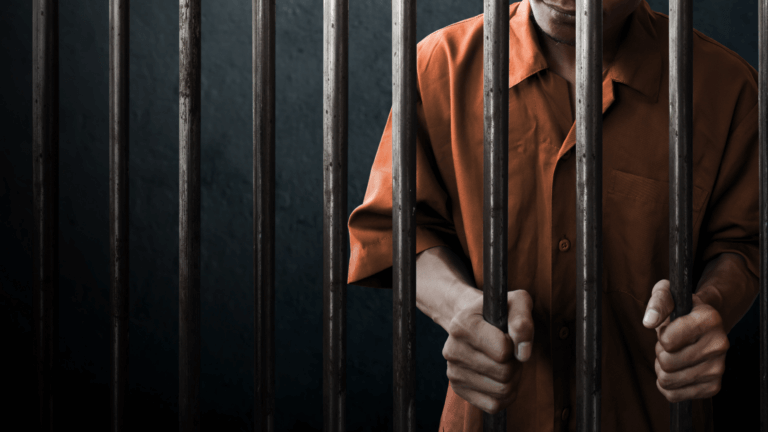
One of our program alumni, King Tolen, once shared with me how easily young men can find themselves homeless after being released from correctional facilities—and I never forgot his story. He explained that if you’re in “the box” (or solitary confinement), you’re sitting in a cell for 23 hours a day, with no idea as to when you’re being released. Then one day, it just happens. You’re unceremoniously told to collect your things, and within two hours, you’re standing on a street corner—with no phone, almost no money, and no options for a place to call home. As our program participants tell it, “The jail doesn’t care what you do inside, and they could care even less once you leave. It’s all on you.”
We Need Change at the Policy Level
To suggest that there are no measures to help individuals re-enter society wouldn’t be completely accurate. Instead, there are some measures that are in place; but they are woefully inadequate given the challenges associated with finding long-term, affordable housing. For instance, there are supportive or transitional housing options for people who serve lengthy prison sentences if they qualify for drug treatment or struggle with mental illness. In fact, in Brad H. v. City of New York, the New York State Supreme Court ordered the Department of Corrections to provide discharge planning for inmates diagnosed with mental needs. But there’s a rub. These individuals need to actually be diagnosed. What’s more, what are the options for people in the who fall outside these narrow parameters?
Public policy also creates impediments to secure long-term housing. The New York City Housing Authority (NYCHA), for example, has policies with provisions that allow it to exclude recently arrested people for years or even permanently bar children as young as 16 from living with their families in public housing.
A New Agenda for Ending Homelessness Post-Incarceration
In the coming months, as we continue advocating for justice-involved young men, our efforts to address homelessness will focus on three critical issues. First, with the Mayoral election on the horizon, it’s my sincere hope that we can partner with the incoming administration and finally bring an end to the plight of our city’s homeless population – with special attention dedicated to those individuals who are trying to find their footing following incarceration. Second, the Department of Corrections and other agencies have to assume a more active role in reentry support and discharge planning. Finally, our city must take serious measures to provide affordable and stable housing to the formerly incarcerated as they get back on their feet. This is the only way justice-involved young men will be able to turn their lives around, and break the cycle of poverty, homelessness, and incarceration.