


Finding a New Way Home
It’s no secret that New York City is in the midst of a housing crisis. Last year, only 1.4 percent of the city’s rentals were available, and even lower for affordable units — the lowest level in over 50 years. Meanwhile, median rent has climbed to an eye-watering $3,600 a month, impeding quality of life for New Yorkers and efforts to address homelessness.
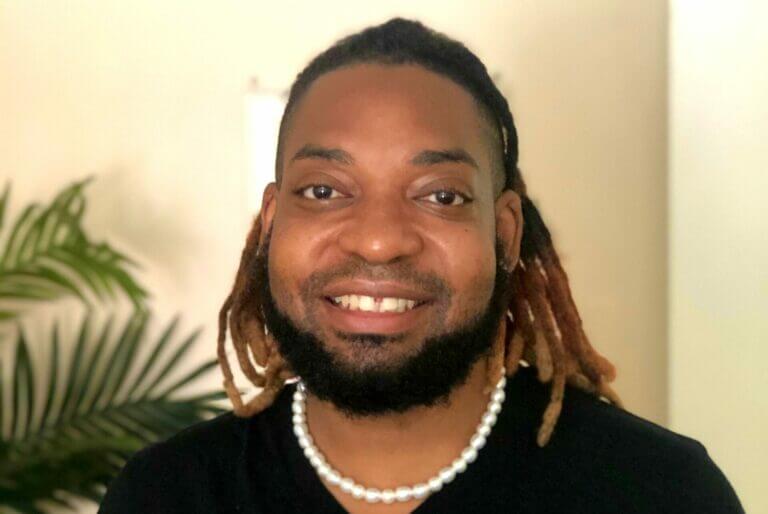
While Ready, Willing & Able’s workforce development team helps trainees achieve employment, our dedicated housing placement specialists work hard to connect those living in our transitional housing to stable, permanent homes. Leading these efforts is Orisha Jordan, who recently became our Vice President of Housing Placements.
We spoke with Orisha on her nearly thirty-year journey with The Doe Fund, her approach to centralizing and streamlining our housing placements, and how she will leverage her deep expertise in social services and her commitment to helping those we serve build brighter futures.
Q: What is your history with The Doe Fund?
I joined The Doe Fund on January 1, 1996, right after graduating from Bates College. I quickly became involved in opening A Better Place, The Doe Fund’s first permanent supportive housing residence, and later transitioned to our Harlem Center for Opportunity when it opened in 1996. Over the years, I’ve held multiple roles, including Director of Graduate Services, Director of Social Services, and Associate Facility Director at the Peter Jay Sharp Center for Opportunity. These roles have given me deep experience in housing placements, social services, and program development.
Q: What drives you in your work?
I’m passionate about helping others and providing people of color with opportunities for second chances. It’s incredibly rewarding to see participants not only rebuild their lives but also become productive members of their communities, give back, and support their families. At the end of the day, it’s about creating real, lasting change.
Q: You recently became The Doe Fund’s Vice President of Housing Placements. What does your role entail?
Housing has been a central part of my work for over 20 years, so when the opportunity arose to unify housing placements across all facilities, it felt like a natural step. I’ve built strong relationships with our staff and facilities, and I’ve long believed we needed consistent practices to ensure the best outcomes.
In my new role, I oversee and enhance all of The Doe Fund’s housing placement services. This includes developing and maintaining policies and procedures, ensuring all housing specialists are aligned in their practices, and focusing on helping trainees and other people living in our facilities transition to permanent housing. I also collaborate with social services to determine the best housing options based on each person’s needs, such as supportive housing for those working to overcome substance abuse or affordable housing for those ready for independent living.
Q: What are your top priorities right now?
First, I want to ensure all housing specialists have consistent information about subsidy programs and eligibility. This will help us pinpoint individuals who can be most quickly moved into independent living. My immediate focus is on assisting trainees who have been in our facilities for extended periods and helping them take the next step in their journey.
Q: What are the biggest challenges in housing placements?
The biggest challenge is the lack of affordable housing. Even with subsidies, many people struggle to afford rent, especially with rising costs of living. Another challenge is managing expectations. For example, some may want larger apartments for their families, but their budgets can only support a studio or shared space. Helping them understand the reality of their situation while keeping them motivated to move forward is a delicate balance.
Q: What new opportunities are you exploring?
We need to engage more directly with realtors and agencies to expand housing opportunities. I believe hosting housing fairs could open doors by showcasing our programs and the support we provide to participants. Building these relationships takes effort, and sometimes it means getting out there and meeting people face-to-face to create connections.
Q: What are your long-term goals in this role?
My ultimate goal is to increase housing placements and the number of program graduates. By strengthening collaboration between social services and housing, creating consistent practices, and building relationships with housing providers, I’m confident we can help more participants transition to stable, independent living.
Join Us in Transforming Lives Through Housing
The Doe Fund is committed to placing trainees in stable, supportive housing, but we can’t do it alone. Realtors and real estate agencies play a vital role in making this possible. By partnering with us, you’ll help provide individuals with the foundation they need to rebuild their lives and achieve lasting independence.
If you’re interested in collaborating to create housing opportunities for our trainees, we’d love to hear from you. Contact us at [email protected] to learn more about how we can work together to make a difference.