

A Call for Systemic Solutions This Black History Month
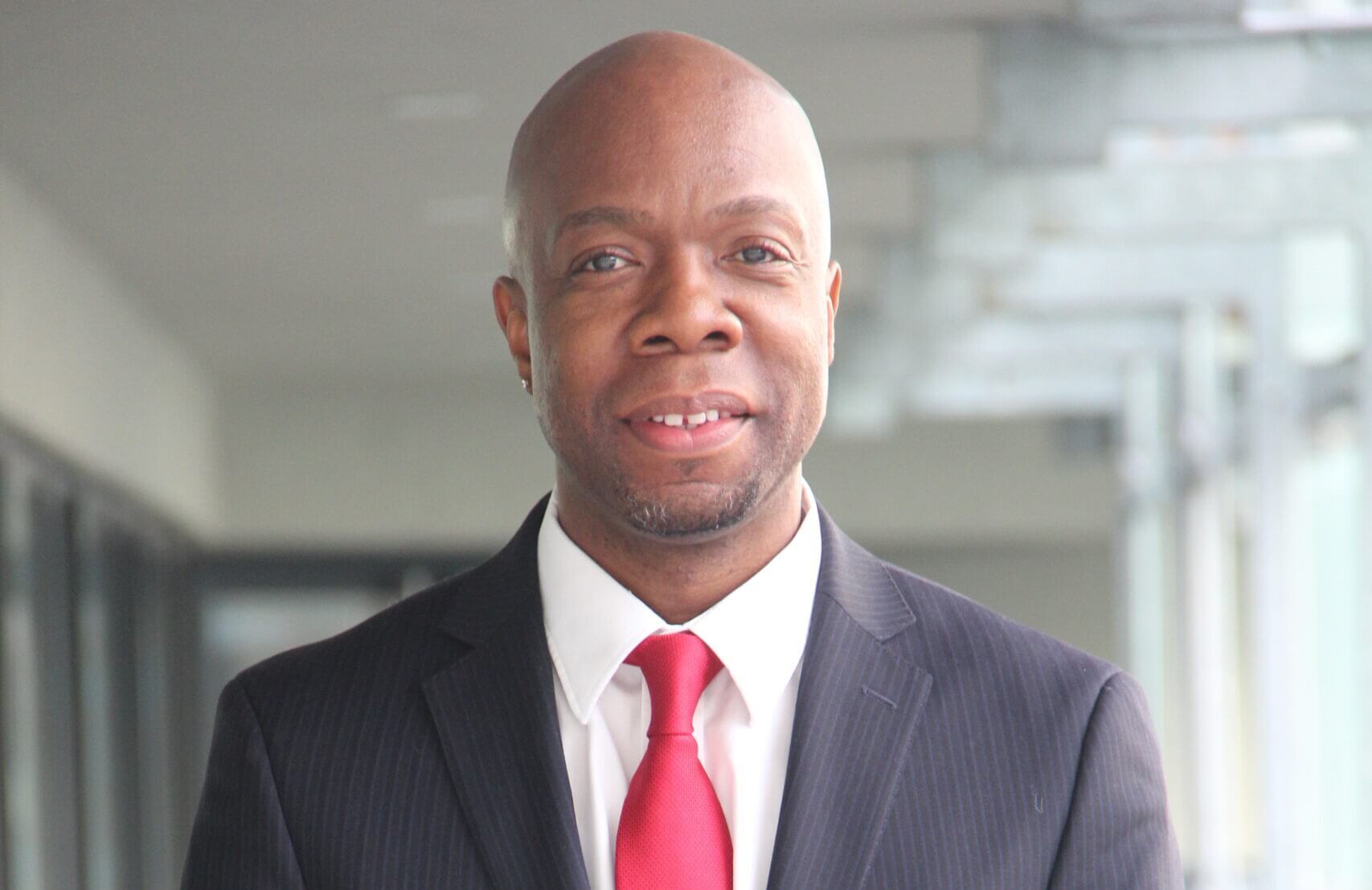
This guest post was contributed to The Doe Fund’s blog by Henry Butler in celebration of Black History Month. Butler is the State Committee Member and District Leader of Brooklyn’s 56th State Assembly District.
The past twelve months have been an unprecedented time, both in NYC and the country. A pandemic has devastated the economy, our healthcare system, and life we know it. We saw the reemergence of the Black Lives Matter movement after the shocking murders of George Floyd, Breonna Taylor, and far too many others.
These tragic events were a wake-up call for the country. However, for Black people in America, this was just another year of fighting for the justice and equality we’ve long sought. The pandemic exposed to all of America what we as Black people already knew: there are major disparities between Black communities and white communities in healthcare, education, criminal justice, affluence and, of course, housing.
You must ask yourself, how could a country with so much wealth have a segment of its population at such a disadvantage? The answer is systemic racism, and there is still a great divide in this country. It’s well-documented that the quality of healthcare one receives is determined by the zip code in which they live. Unfortunately, Black people live in some of the lowest income zip codes, and as a result, we are subject to limited resources and subpar health coverage. Over the past two decades, many hospitals have closed in our communities, while the ones that are left are understaffed. Additionally, Black Americans have a much lower rate of insurance coverage than white Americans. The Affordable Care Act has closed that gap somewhat, but the inequity is still too great. Hopefully, the new administration in Washington will finally look to close the healthcare gap with a comprehensive plan.
There are those who see housing as a human right. I am not sure how anyone can argue against that, but our society does not reflect this ideal. Until our country adopts this mantra, we will need organizations like The Doe Fund. Once again you must ask yourself, how could a city with so much wealth have such a large homeless population? And yet my school district has one of the highest homeless populations of kids. Without organizations like The Doe Fund, the homeless crisis would be even worse. The Doe Fund goes beyond providing a place for someone to sleep: it offers people a chance to rebuild their lives with dignity and humanity. I have personally seen the positive affect the program has on the lives of men who work in my district. The Doe Fund has put families back together by allowing these men to repair their own lives.
I cannot pen a piece on The Doe Fund without mentioning George T. McDonald. I met George around 2011, when I was the Chairperson of Brooklyn Community Board #3. I vividly remember thinking how deeply passionate he was about the mission of The Doe Fund as he explained his work. George invited me and Council Member Robert Cornegy to visit their Bushwick location, which was a full-service transitional residence. George wanted to bring this program to Bedford Stuyvesant, and after the walk-through he had us sold. The organization has a facility at 520 Gates Avenue, and I am excited to say The Doe Fund will be expanding to 510 Gates Avenue to make it a full-service facility as well.
Black History Month gives us an opportunity to celebrate the great progress Black people have made in America. It also gives us a chance to reflect on how we can ensure this country closes its unconscionable disparities between white communities and communities of color. As these are systemic issues, we must double down on systemic solutions. It is for this reason that I wholeheartedly support The Doe Fund. I’m proud of the relationship that my community in Bed-Stuy has with the organization, just as much as I miss my friend George and his enormous compassion. As our City looks toward an inclusive recovery from COVID-19, it would benefit greatly from more leaders like George and more solutions like The Doe Fund.