

Expert Roundtable with Our Program Directors
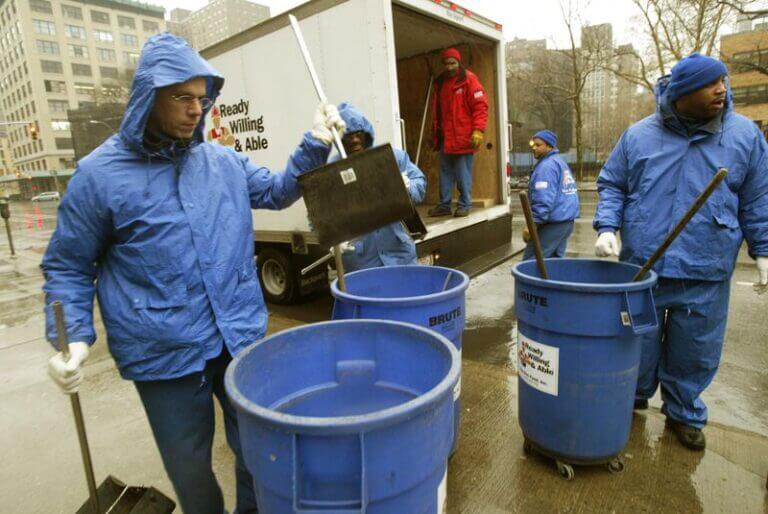
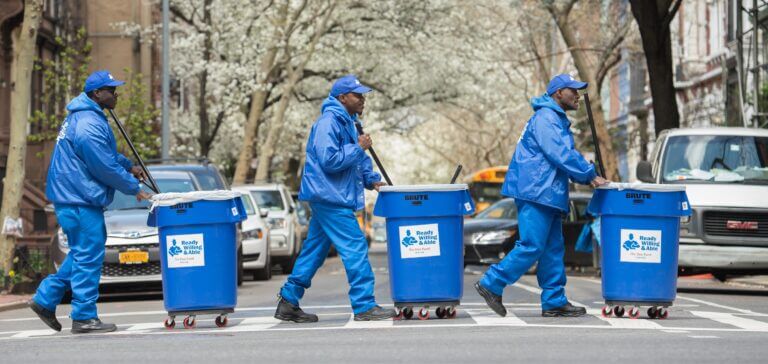
The Doe Fund is committed to uplifting leaders of color who share lived experiences with the people we serve. Nowhere is that more evident than with our Program Directors, who are responsible for operating our transitional residences and the Ready, Willing & Able program.
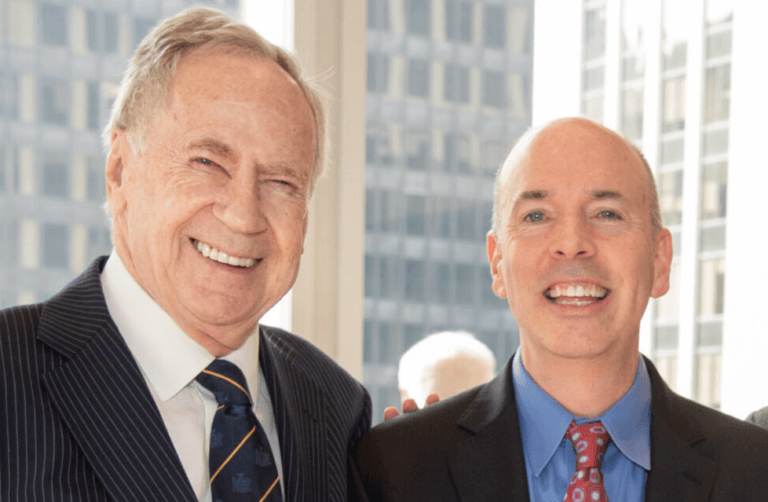
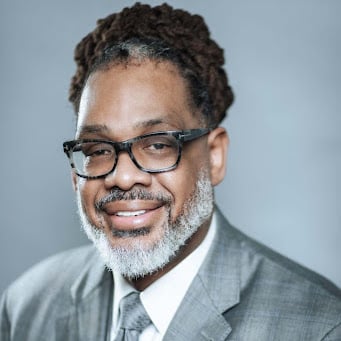
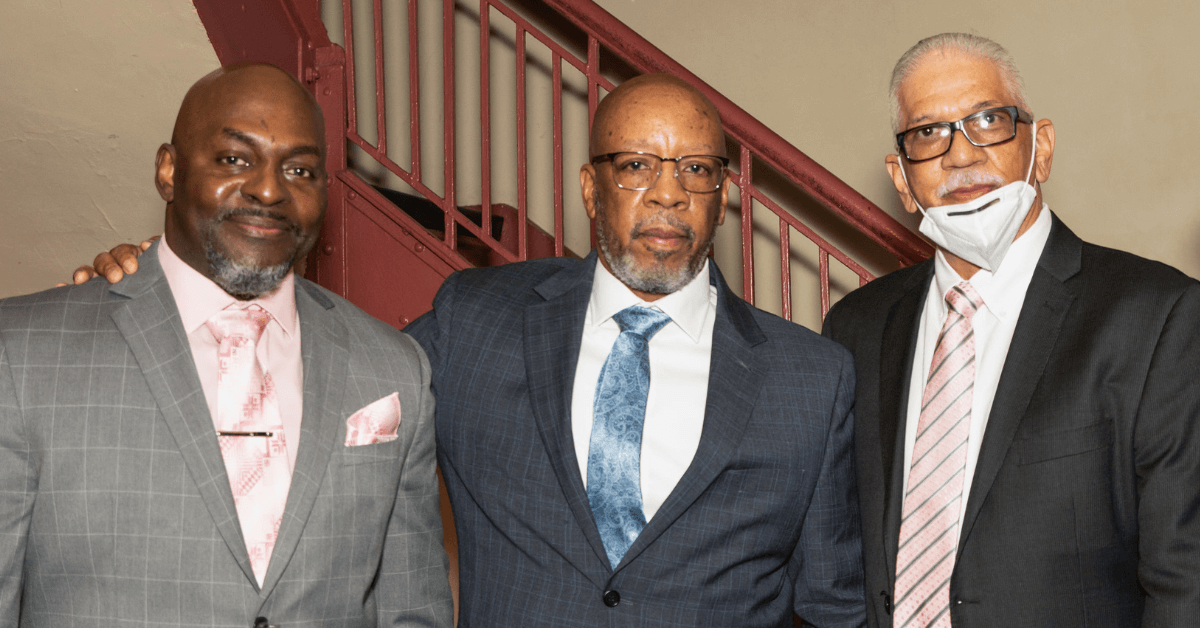
For Black History Month, we gathered our three Program Directors — William Glenn, James Washington, and Nazerine Griffin, Jr. — to share ways we can empower the next generation of Black leaders… not only during February, but every day of the year.
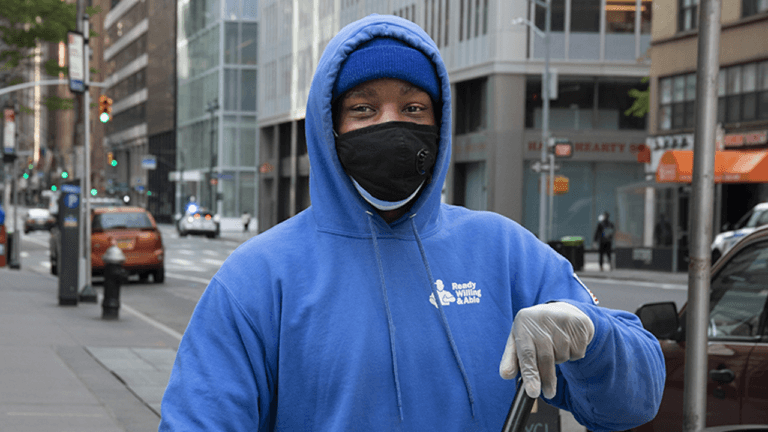
With over 90% of Ready, Willing & Able trainees identifying as Black, having mentors they can relate to — who look like them and who have overcome the same hardships — gives trainees so much more than just a role model. After all, representation matters. Countless trainees over the years have told us how seeing success with their own eyes motivated them to realize their own potential.
Every day, our Ready, Willing & Able Facility Program Directors show up for the men and support them at every stage of their journey. In the words of Nazerine Griffin, Jr., “Who better to lead a man out of a minefield than someone who has walked through one himself?”
What was your upbringing like?
William:
I was born in Harlem and grew up in Brooklyn. My upbringing was with a single parent, my mother. My father lived a destructive lifestyle and was killed when I was 11 years old, so I had no real father figure while growing up. My mom did the best she could with me and my siblings. We received good grades throughout our formal years in school.
James:
I was born in Georgia but grew up in Syracuse, NY. I graduated high school and attended a small community college in Syracuse. I had a number of good jobs and finally ended up working as a firefighter for the city of Syracuse. My addiction took hold during my time as a firefighter. I eventually worked with my job’s EAP representative to attend a substance abuse facility in Manhattan. Nearing my completion date, I realized I needed to do a geographical change if I wanted to save my life, so I resigned from the fire department. I heard about Ready, Willing & Able from one of the counselors at the rehab and started the process to enroll.
Nazerine:
My father was Black and my mother was Italian. They always loved me no matter what I did, and worked hard to provide me with better opportunities than they had, including private schools, which is unfortunately where I found out I was “different” because of the color of my skin. So I reacted by rebelling. At 15, I started smoking pot. I started using cocaine at 19, then found heroin to bring me down from cocaine. For a while, I was a functioning addict, but eventually, I began dealing drugs so I could use them, and slowly dealt less and used more.
Can you tell us a bit about how you first got involved with The Doe Fund?
William:
After coming out of prison, I was seeking employment where I could assist men that were experiencing substance abuse, incarceration, and homelessness as I did. I first heard about The Doe Fund in the pre-release center in prison through a book called “Connections – A Free Guide For Formerly Incarcerated People In NYC.” The Doe Fund had its information in this book and I applied for employment there upon my release in 2007.
James:
I came to Ready, Willing & Able in December 1993 due to drug and alcohol use. I needed something to divert me from the path I was on. The Doe Fund was that “something.” It was my safe haven and provided me with the much needed structure I lost during my addiction. It afforded me the opportunity to get my life back on track.
Nazerine:
After living on the streets and basically dying in 1995 from drug abuse, I came to The Doe Fund like everyone else — for a chance to reclaim life. I needed a way to get back into the workforce, but didn’t have a way to do it. The Doe Fund was the answer for me. I took an entry-level position at Harlem, which was the new facility at the time. One of my first contributions was creating and developing a dispatch system to move men and equipment in and out of the facilities to go to work. Then, in 1997, I was transferred back to Gates Avenue and became the Director in 1998.
What is it like being a Program Director?
William:
It’s very rewarding because you get to see the state that individuals are in when they come into the program and you personally witness the transformation they make while in the program while knowing you had an impact in their progress. My favorite part is Graduation, which I call “putting the icing on the cake.”
James:
If you love what you do, then it’s not really a job. I love being a Program Director. I consider myself fortunate to be in a position to assist and give support to guys like me who need a chance to rebuild their lives, repair broken relationships, and reconnect with loved ones. There are no do-overs in life, but Ready, Willing & Able is the only thing I know of that even comes close. My favorite part of this position is seeing the transformation these guys go through. It is truly amazing and rewarding.
Nazerine:
To be able to give back with this position is very fulfilling. The highest aspiration of the human heart is to be of service to others. I know everybody by their names. I want to know them so that I know how to best help them. My favorite part is meeting the clients at the door and being able to help them make up for the mistakes they’ve made. My goal is to be a guide they can look up to, help them transform their lives, and show them that work works.
Over 90% of the men of Ready, Willing & Able identify as Black. Why is it important for them to see and have Black leaders and mentors?
William:
It is significantly important for the population we serve to see and have Black leaders and mentors that understand the culture that many of the men are from, because they can identify with their history having likely experienced it themselves. The men receive hope that they can also turn their lives around and be successful as their Black leaders have done. Many of the men come from single parent homes where there was no male role model or father figure to guide them, so having a role model as they begin to improve their life will certainly be a benefit.
James:
Seeing someone like me in a position of leadership and knowing that I have traveled a similar path lets them know that it can be done. I tell these guys, “The only difference between you and me is that I started the process a bit earlier than you. It’s never too late to turn things around. You have the support and knowledge to change your situation.”
Nazerine:
Unfortunately, a lot of people of color don’t get a fair shot at life. George McDonald always knew this and provided opportunities to the men we serve. They never got an education, or the opportunity to work a real job until they got to The Doe Fund, and sometimes their first job is with us. They need tangible evidence of people who made mistakes and are now living a different way. There’s a lot of value in a role model who has overcome homelessness, addiction, and criminal behavior and who have job positions running the program because they can trust the process more. If they follow and put the work in, work works. Follow someone until you have enough experience. Be a mentee then the mentor. I want to get them to dream again. If they begin to dream again, they can be whoever they want to be.
A lot of companies are making statements in honor of Black History Month. But this work doesn’t begin and end every February. How can organizations put their money where their mouths are when it comes to racial justice?
William:
Many organizations can put their money where their mouths are by being open to hiring African Americans who have criminal justice histories. They can also seek to have politicians advance criminal justice reform by seeking to end the causes of incarceration, homelessness and lack of opportunity.
James:
Investing in communities of color and changing the social narrative is key. Personal involvement and dispelling the old stereotypes will help facilitate change. Just talking about change will not make change happen. They will have to put in the work. Seeming to care only when it’s fashionable or when there is a designated month or day won’t get the job done. Facilitating change is a 365-day commitment.
Nazerine:
Black history is American history, and it shouldn’t be celebrated just one month but throughout the year. One of the most important things companies can do is hire some of our Black graduates. More Black men need to be given the opportunity to show their full potential. By hiring them, you’re rebuilding their family dynamics, allowing them to provide for their families, and be a role model for their children. You’re helping them break the cycle of poverty and incarceration so that the next generation can be better off.
What makes The Doe Fund unique as an organization advancing racial and economic justice?
William:
The Doe Fund is unique as an organization because it hires many of its graduates. The organization has also developed education and occupational programs and training which seek to increase the earning potential of the program participants.
James:
There are innovative minds driving the organization. They are not timid when it comes to implementing new ideas to help drive the organization forward. This is done while keeping the basic principles and The Doe Fund’s mission statement in the forefront.
Nazerine:
We’re unique as an organization because The Doe Fund provides opportunity to people of color who no one has given an opportunity to before. We’re the only organization that offers the three-legged stool: transitional housing, paid work, and support services. The men receive a real chance to earn money and become more marketable, and giving them the gift to take care of themselves does something to their spirits and gives them purpose. There are thousands of success stories inside and outside of the organization. Our graduates have Master’s degrees, are professors and business owners.
What is it like being a father? Has your role as a program director helped prepare you for fatherhood?
William:
I have seven adult kids and four grandchildren. I only began to develop the skills needed to be a father after coming out of prison 21 years ago. My role as a Program Director allows me to be as much of a role model, mentor, and father figure in my personal life as I am with the men in my professional life. It allows me to develop talking points with my children and grandchildren based on all of the things that were missing in my life and the things I hear from the men that were, and are, missing in their lives.
James:
I have four children with ages ranging from late 40s to early 20s. Two were born before I came to NYC. The latter two were born during my connection with The Doe Fund. I would like to think I was a good father before coming to Ready, Willing & Able. Being a Program Director, and maturing along the way, has opened my eyes to some things I wish I had done differently.
Nazerine:
I’m blessed to have lived two completely different lives in one lifetime. Being a father is the best thing ever. It’s been a blessing to be able to help a lot of men take their lives back over the years, but having a 15-year-old daughter is even more amazing. I’ve realized that women have so much more emotional intelligence compared to men, and it’s so easily seen. After all the damage, I’m grateful to have a child and witness her grow up.

What are your hopes for your kids as the next generation of leaders of color?
William:
My hopes for my children and grandchildren are to avoid substance abuse issues, criminal justice issues, and to learn the importance of education in order to be successful and become change agents for people of color.
James:
I try to empower them to make the most of their lives and not take anything for granted. The opportunities they have did not come without a price. Hopefully, my experiences have motivated them to voice their opinions regardless of how unpopular that opinion may be and to speak up when they are treated unjustly. Be proud of who you are and where you came from.
Nazerine:
George McDonald taught me that if you treat people like people they will respond better. I’ve always carried that with me and want my daughter to do the same as a leader. All I want is for her to take advantage of the same opportunities I had, for her to be a positive role model for others, and to never stop dreaming.