

A Day in the Life of a Doe Fund Clinical Supervisor
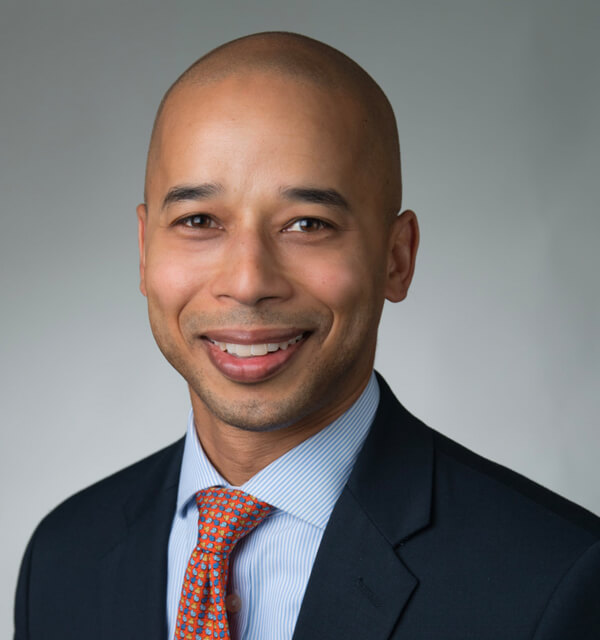
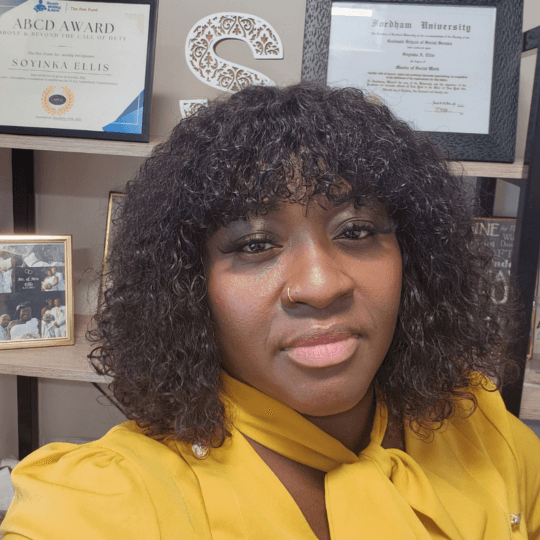
Soyinka Ellis, a Clinical Supervisor at our Crystal Tower affordable and supportive housing residence, embodies the essence leadership at The Doe Fund with her dedication to assisting our tenants in overcoming significant hardships and achieving stability.
In our exclusive interview with Soyinka, she offers a glimpse into the daily life of a supportive housing social worker. She shares what inspires her most about the individuals she empowers and sheds light on what she wishes more people understood about this vital work.
What inspired you to become a social worker, and how did you get started?
The motivation behind my decision to pursue a career in social work stemmed from a deep-seated desire to assist others. While it may sound like a common narrative, I genuinely feel that it is my vocation. My journey commenced during childhood, when I harbored aspirations of becoming a lawyer. However, personal circumstances led me to pivot towards teaching. While awaiting the opportunity to take my state exams, I immersed myself in the role of a full-time Substitute Teacher. Yet, during this period, I experienced a sense of confinement. I yearned for a more profound impact beyond the confines of a classroom. Working with young people had long been a cherished aspiration, prompting me to shift my focus towards the realm of Social Services. My initial foray into this field began with a position at a youth shelter, where I embarked on my journey of making a difference.
What brought you to The Doe Fund?
Following my two-year tenure at the youth shelter, I commenced a search for enhanced career opportunities and expanded field experience. This pursuit led me to secure a Case Management position within a renowned organization operating in the Supportive Housing Program. Concurrently, I juggled both roles for another two years before committing to pursue my Master of Social Work degree. Subsequently, after a four-year tenure, I concluded my employment with the shelter to prioritize my academic pursuits. The enriching experiences garnered within the Supportive Housing Program equipped me with invaluable knowledge and skills, culminating in a transition from Case Manager to Program Manager through a promotion. Although enthused about my new role, I encountered challenges in receiving the necessary support to foster my growth and effectively lead my team. Consequently, I embarked on a quest for a more suitable yet analogous organization where I could continue to evolve and receive the support conducive to my professional development. Upon joining The Doe Fund, I assumed the role of Mental Health Counselor. Following the completion of my three-month probationary period, I was promoted to the position of Clinical Supervisor.
What does your work look like on a given day? Walk us through a day at Crystal Tower.
It’s always busy at Crystal Tower! There’s never a dull moment here. While we do have some downtime on occasion, there’s usually plenty to keep us occupied. As the Clinical Supervisor, my primary responsibility is overseeing and providing guidance to my team. Additionally, I maintain a small caseload and offer support to residents when needed. I collaborate closely with the Program Director to develop and execute daily, weekly, and monthly plans for the program. Whenever there’s a crisis, I step in to offer assistance and support to my team. Another crucial aspect of my role involves reaching out to and collaborating with providers and agencies across the five boroughs to ensure we’re offering the best possible services to our residents.
Can you tell us about a time where you made a positive impact in a client’s life?
During my time at the youth shelter, I encountered a young woman who seemed to be spiraling down a destructive path. She had left home, dropped out of school, and was heavily involved in substance use. Despite her challenging behavior, there was something about her that resonated with me. While our experiences differed in some aspects, I recognized similarities between us. One night during my overnight shift, instead of heading straight to her room, she stayed and we engaged in a deep conversation for hours. She opened up to me about her childhood trauma, and in turn, I shared my own experiences with her.
To my surprise, she expressed a desire to turn her life around and asked for guidance on how to do so. I assisted her in enrolling back in school and securing employment. Eventually, she was able to find housing outside of the shelter. Today, I am immensely proud to say that she is on the path to completing her MSW degree.
What is the most challenging part about your work? What is the most rewarding?
The most challenging aspect of my job is recognizing the untapped potential within my clients, which they often fail to see in themselves. As a Social Worker, it’s natural to aspire to improve the lives of our clients, yet we cannot desire change more than they do. True transformation must stem from within; I can merely offer guidance and support once they’re prepared to embark on their journey towards change.
On the other hand, the most gratifying part of my work is witnessing the tangible outcomes of my efforts. Even a small gesture of appreciation, such as a heartfelt thank-you from a client, reaffirms that I’m fulfilling my purpose and making a positive impact in their lives.
I’ll share a quick example of what that looks like in action here at The Doe Fund. When Crystal Tower opened in 2020, we had a tenant move in with an extremely challenging cross-section of circumstances to navigate. I’ll call him “William” for this. Not only is William a survivor of child abuse, addiction, and homelessness, but he also has multiple serious mental health conditions, including bipolar disorder, dissociative identity disorder, and PTSD from his military service.
When William came here from the Y, he was estranged from his family and adversarial. The transformation I’ve seen from working with him over the years is nothing short of inspiring.
I remember the moment it all clicked. It was at the first community event he joined at Crystal Tower… I believe it was a tenant board meeting. He had spent the day complaining to me about all the other events like this one he’d been to before and how they, in his words, “were useless and sucked.” But once he saw that we were really listening to what he and the other tenants had to say — that we genuinely cared about them, wanted to know their thoughts and work together to improve our community here — everything began to change. After years of being treated like he was invisible, William was finally being seen and heard. That’s when the trust really began to take root.
Now, William maintains his sobriety and has rebuilt his social support network. He reconnected with his ex-wife and children. He’s taking his medication. Time and time again, he has proven his commitment to self-care and stability. Now, William even wants to do advocacy work with The Doe Fund around supportive housing. People like him are why I do this work.
What’s one thing you think people misunderstand about social work, or that you wish people understood better about it?
It’s interesting you bring that up. When I initially made the decision to pursue social work, one of the first questions posed to me was whether I’d be involved in removing children from their homes and placing them in foster care. However, social work encompasses far more than just child services. While some may view their work in the field as merely a job, for me, being a social worker is a lifelong professional career. Financial wealth isn’t typically the aim for social workers, but the fulfillment comes from the meaningful impact we have on the lives we touch and the communities we serve.