

Turning Advocacy Into Action
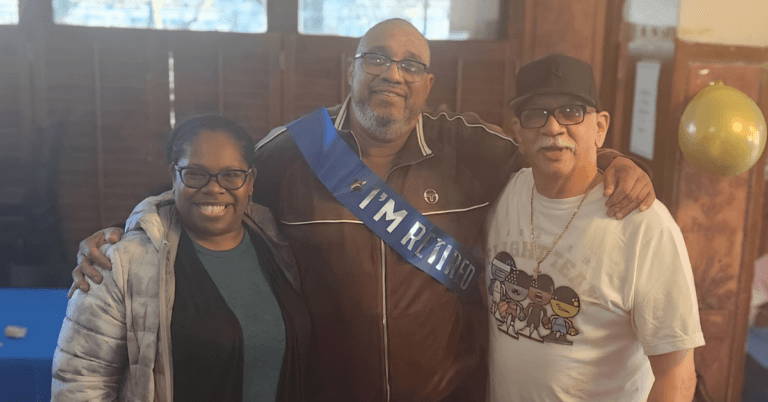
At The Doe Fund, we know our best leaders are the people we serve. That is why we are excited to start forming our first Ready, Willing & Able Advocacy Committee — a platform for and by trainees to share their experiences. Ron is one of our first members.
Ron had it all: a house with a pool, cars, pets, a wife and kids. By all accounts, he was living the American Dream.
Then, in an instant, he lost everything. The pandemic uprooted his life, allowing his lifelong struggle with addiction and alcoholism to finally catch up with him. Over the last two years, he entered rehab ten times.
On the ninth, Ron’s resident assistant — a Ready, Willing & Able graduate — told him about our program. At the time, Ron thought he couldn’t do it: he was getting a divorce and he had ten pets at home he needed to take care of. But after relapsing right out of rehab, he realized enough was enough. It was time to make a change.
“I’m starting over,” said Ron. “I had a good life — a house with a pool and cars. I worked hard for my life and raised all my kids. Believe me, you can piss that all away in a heartbeat by doing the wrong things: getting into legal problems, drinking, drugs, and jail.”
In January, Ron checked into a homeless shelter and immediately got into Ready, Willing & Able. “I got lucky,” he told us. “I’m dead serious about the program, and I’m doing everything I possibly can to not only work the program but have the program work for me — to clean up my legal problems, my money problems, my tax problems, my student loan problems, and get an education at the same time, which is huge to me.”
The Doe Fund has always been about second chances. We believe that if you can work hard and commit to change, you should have the opportunity to rebuild your life. Our results prove the potential of the men we serve: graduates of Ready, Willing & Able are 62% less likely to reenter the criminal justice system than demographically identical individuals.
But Ready, Willing & Able is more than a model — it’s a movement. And we believe that the best people to lead that movement and turn advocacy into action are those who have experienced homelessness, incarceration, and addiction themselves. It’s why over 70% of our Programs team are graduates.
It’s also why The Doe Fund is helping Ron and other Ready, Willing & Able participants create our first Advocacy Committee — a platform for and by trainees to share their personal struggles, successes, and impact with crucial stakeholders.
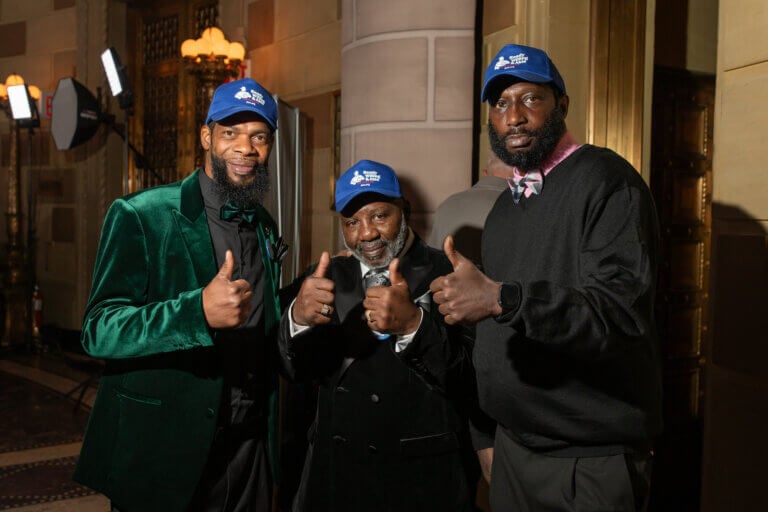
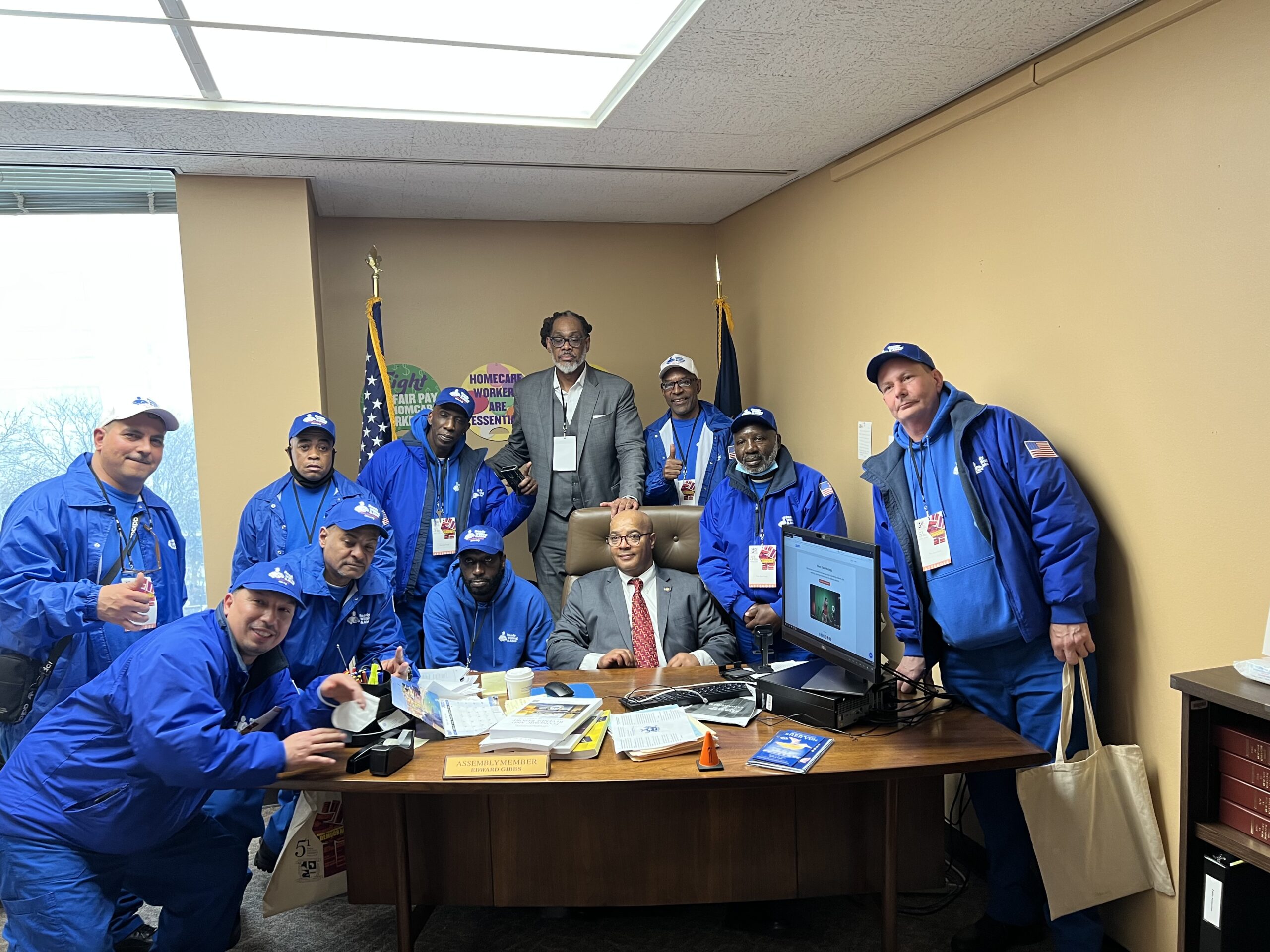
As their first task, the Advocacy Committee met with policymakers at the New York State Association of Black, Puerto Rican, Hispanic & Asian Legislative Conference in Albany.
“It was a great experience meeting politicians and representing The Doe Fund,” said Ron. “They really push and fight for what they believe in. Now I know what an assemblymember, legislator, and lobbyist does.”
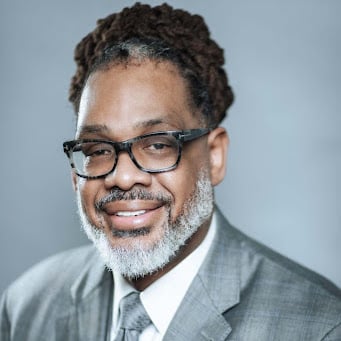
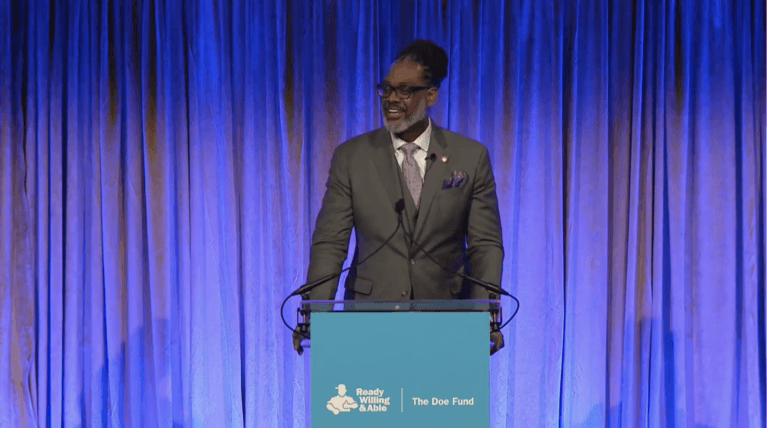
Our Executive Vice President of External Affairs, Robert E. Cornegy — himself a former City Council Member — organized the trip. “The Mayor, the State Senators, the Assemblymembers, everyone was lining up for the trainees,” he recounted. “And not just for photo ops. Our Advocacy Committee brought these incredible insights and detailed policy questions that the politicians were so eager to engage. Honestly, they seemed more excited to speak with the trainees than anyone else there.”
One of those political leaders was Eddie Gibbs, the first formerly incarcerated New York State Assemblymember and only the second in any US state legislature. He shares a passion for one of the most important aspects of our work: removing barriers to employment for people who have been justice-involved.
Having spent six months in jail for multiple DWIs, Ron learned how difficult it was to obtain gainful employment with a criminal record. After meeting with the Advocacy Committee, Assembly Member Gibbs helped Ron and the other trainees apply for Certificates of Relief and Certificates of Good Conduct. These remove barriers imposed on formerly incarcerated people, enabling them to apply for more jobs, housing, licenses and permits, educational benefits, and even public office. Ron got his certificates two weeks later.
Now, Ron is focused on maintaining sobriety and taking advantage of everything Ready, Willing & Able has to offer. He plans to enter our welding career training track after seeing a video of the program on social media.
Ron’s ultimate goal, however, is to reunite with his daughters. “They’re mad at me for what I did. I tore our family apart. It’s only been a year since I talked to them, so I’m going to give it a little more time. I want them to know that I’m doing good and making money.”
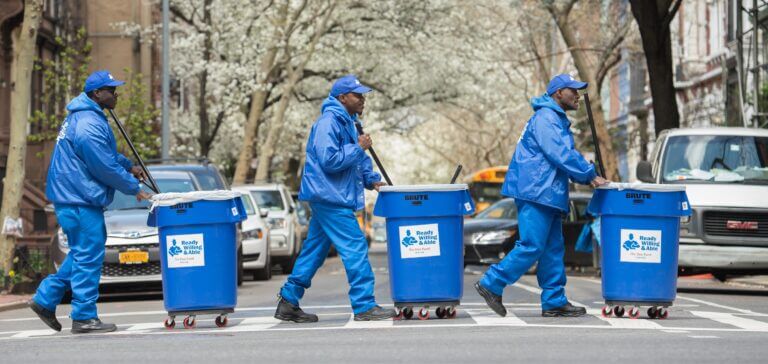
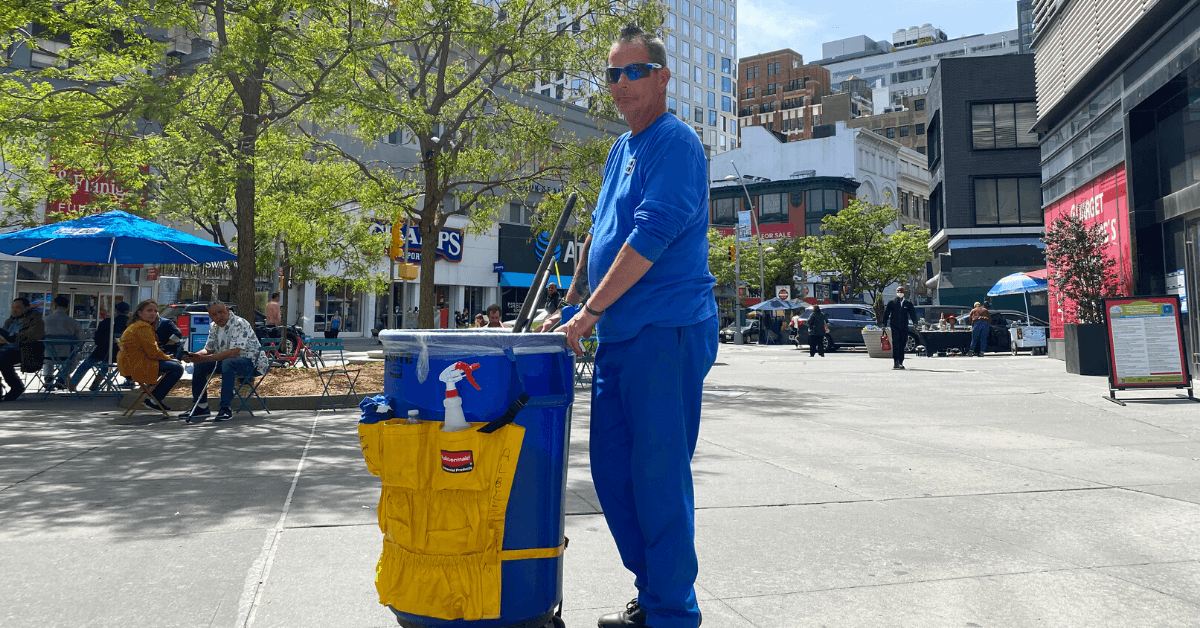
Ready, Willing & Able has more than lived up to Ron’s expectations. He’s able to work overtime and save money. During the week, Ron works in Downtown Brooklyn, where he was handpicked by his supervisor to keep Albee Square clean and safe.
He even takes the time to get to know the locals, including those experiencing homelessness. “I know what it’s like to have and to not have. I always try to help them out.” So far, he’s told 23 unsheltered people about Ready, Willing & Able.
“Anyone who is struggling and thinking that there’s something out there better for them — this is the program for you,” Ron tells them. “Don’t only work the program but have the program work for you. So do what you are expected to do. Once you get out on the field, grab all the overtime you can. It’s a great program. You’ll get your education. You’ll get your legal problems cleared up. You’ll get a Certificate of Relief.”