


The One Thing You Must Do When Reentering After Incarceration
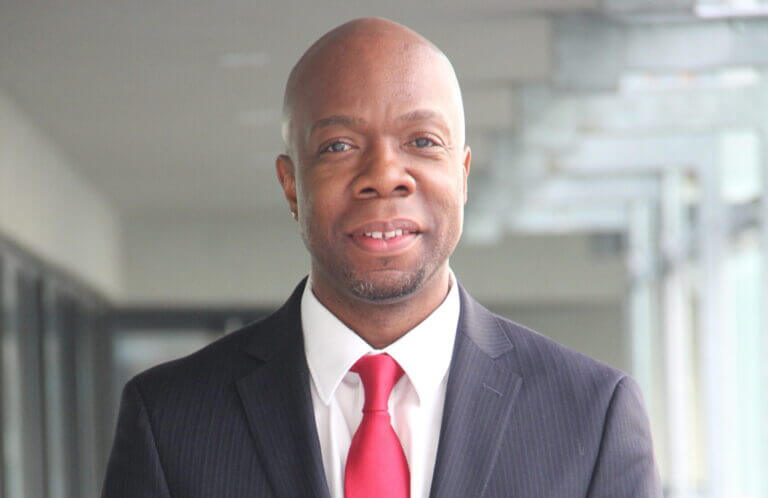
This guest post was contributed to The Doe Fund’s blog by Anthony Isaacs in celebration of Black History Month.
I was incarcerated for 25 years. In that time, I took advantage of dozens of educational, vocational, and skill-building programs offered in prison. Most important of all, I took incarceration as an opportunity for deep self-reflection and improvement. Thanks to this challenging, often painful work, I was able to quickly transition to a successful life after my release.
I recently published The Secret’s Out, a comprehensive reentry guide for people who are currently and formerly incarcerated, based on my experiences and my work as the Program Director of The Doe Fund’s Peter Jay Sharp Center for Opportunity. As someone who has made it his career to help others succeed on their journeys back to society, I wanted to share my thoughts for Black History Month.
America’s crisis of mass incarceration is a crisis of systemic racism. Black Americans are only 13% of the population but 40% of the prison population. Over 20% of Black Americans live in poverty, compared with 12% of the total population. The unemployment rate of formerly incarcerated people is over 27% and over 35% for formerly incarcerated Black men. Researchers can now accurately map out a child’s future based purely on the ZIP code in which they were born—with the most wretched outcomes in communities with the highest percentages of people of color.
But for Black and brown people who have experienced incarceration, acknowledging that the deck was stacked against you and taking responsibility for your actions aren’t mutually exclusive. In fact, it’s impossible to grow, move on, and avoid making the same mistakes without owning up to the decisions that led you to where you are. Taking that responsibility requires being brutally honest with yourself, including reflection on the parts of you that make you most ashamed and uncomfortable.
Once you take responsibility, you can start to improve yourself by honestly assessing your strengths, your weaknesses, and your addictions. And when I say that, I mean more than drugs or alcohol. Though it may sound strange to someone who’s never been inside, pain can be an addiction. The trauma that you inherited, that you weren’t responsible for, that led you to incarceration, that you can blame without working to resolve, that you become accustomed to holding inside every fiber of your body—it’s a huge addiction that the men we serve face.
Before you even talk about moving forward, you need to look inward at the pain you’ve been carrying, often without even realizing it. Many times, this pain is the yearning for “resolution” from the people, circumstances, and systems that hurt you, that led you down the path to incarceration. What I tell the men I work with is that you will likely never get that answer. And whatever answer you do get will never be enough after all the pain you’ve experienced. The only way forward is working to let it go.

That is where your power comes from: knowing that you can let it go. From not running away from your past anymore, and from not letting your past run you. It comes from learning from your mistakes and improving yourself so you can make a better future. It comes from admitting that you need help, from letting yourself be vulnerable, and from recognizing that reaching out for help is a strength, not a weakness. Being vulnerable is the single bravest thing any human being can do.
I know how challenging it is to do this alone, when people who look like me are killed for having the audacity to jog outside or sleep in their own bed. After working at The Doe Fund for 11 years, I see how much our support system can help. It creates structure and a nurturing environment that gives a sense of belonging. It provides role models who have made it to the other side. But most importantly, it reminds you that your life has value.
The single most important piece of advice I have for people reentering is that you matter and you can achieve great things. You just need the resources to do so; if you’re Black or brown like 90% of the people we serve, those resources have likely been denied to your community for generations.
That’s why programs like The Doe Fund are so important. There’s no other place that provides everything you need to be successful in growing from start to finish, led by those who were in your shoes not so long ago. All you have to do is believe in it, work hard for it, and follow the footsteps of those who have traveled the same path.
Unfortunately, places like The Doe Fund are few and far between. Reentry outcomes are bleak for formerly incarcerated people—disproportionately people of color—without the resources to support them within and outside prisons. To achieve true racial justice, we must invest in solutions like The Doe Fund, so that my story and those of the men we serve are no longer the exception.