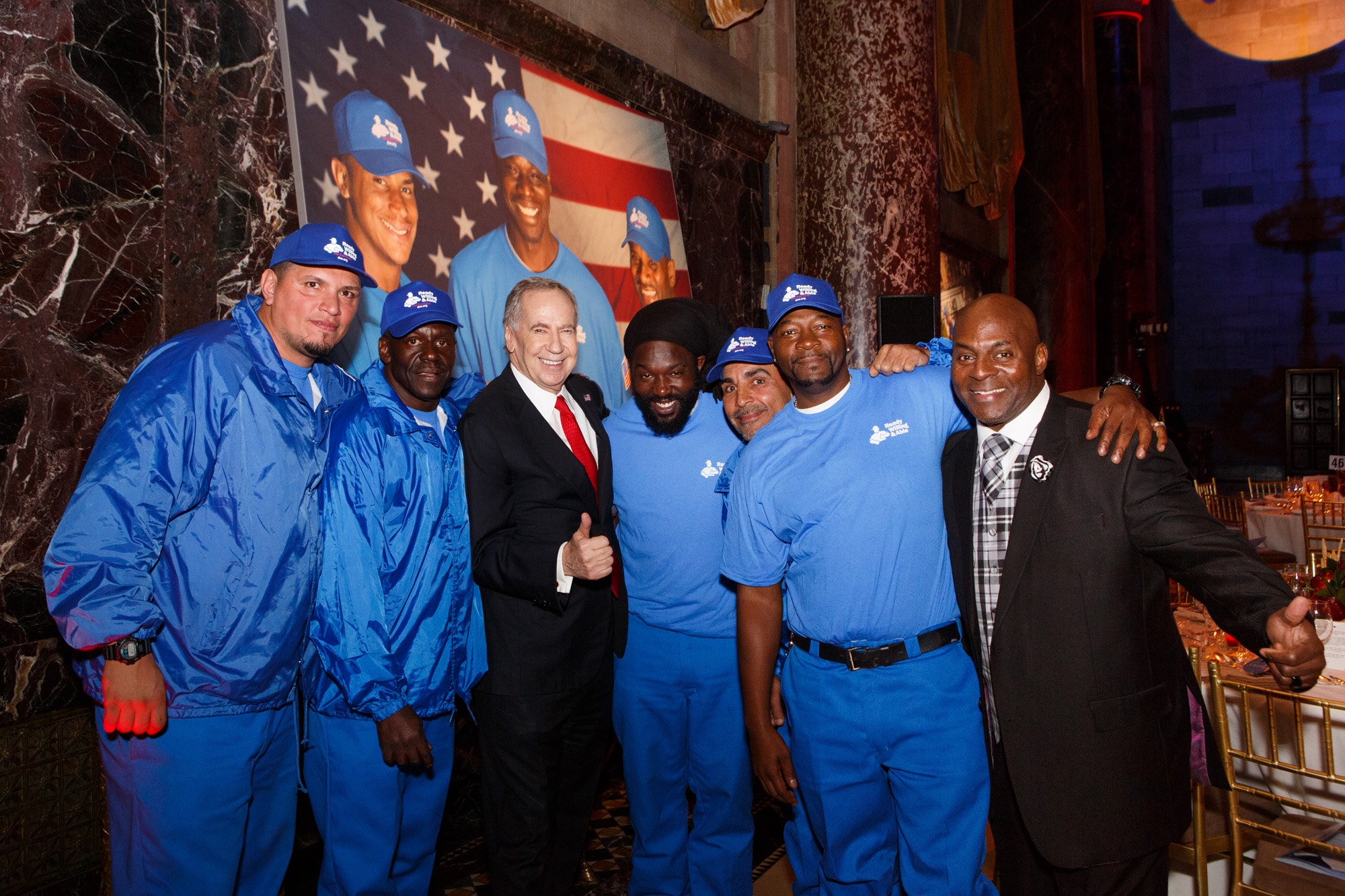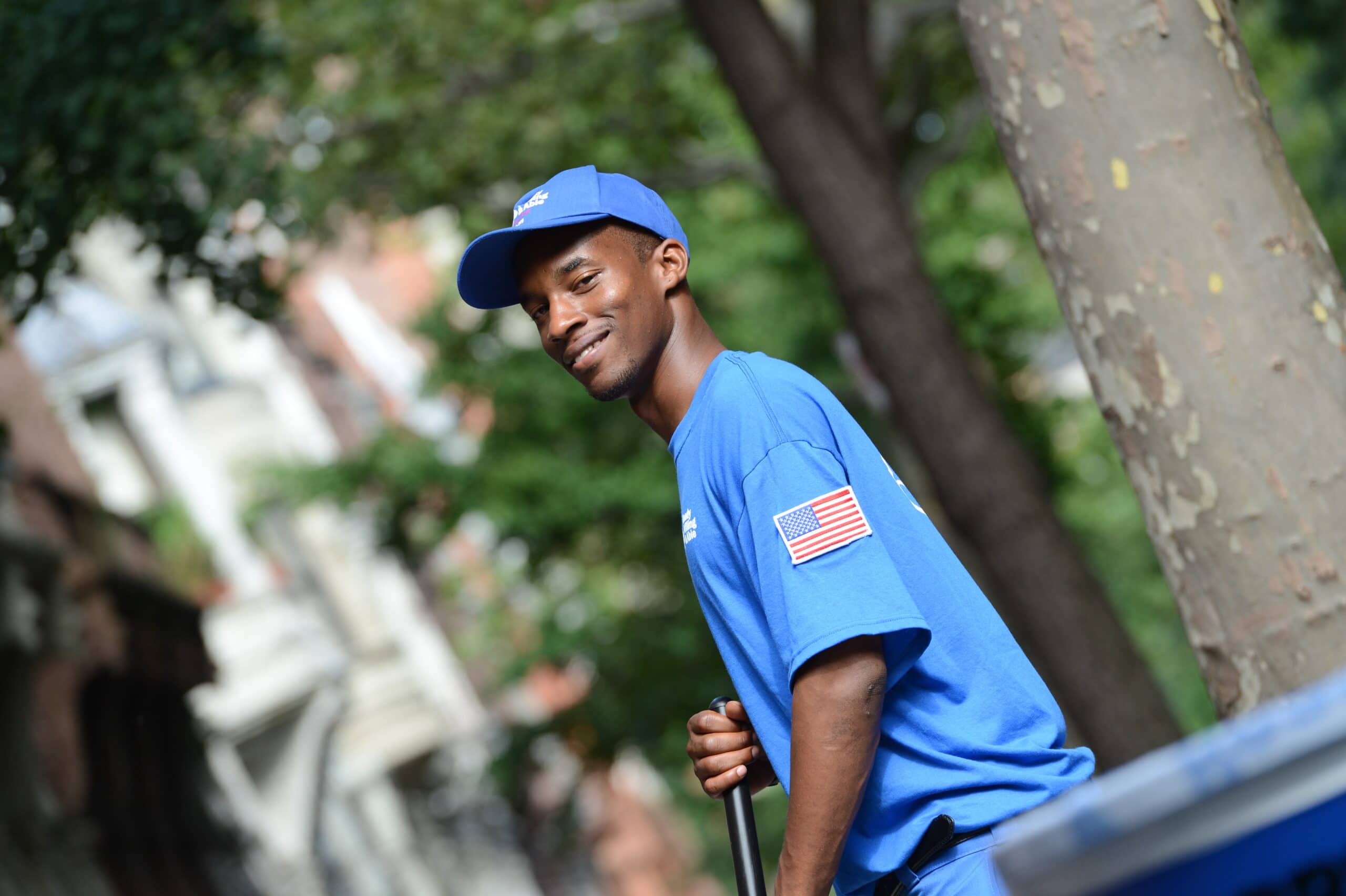


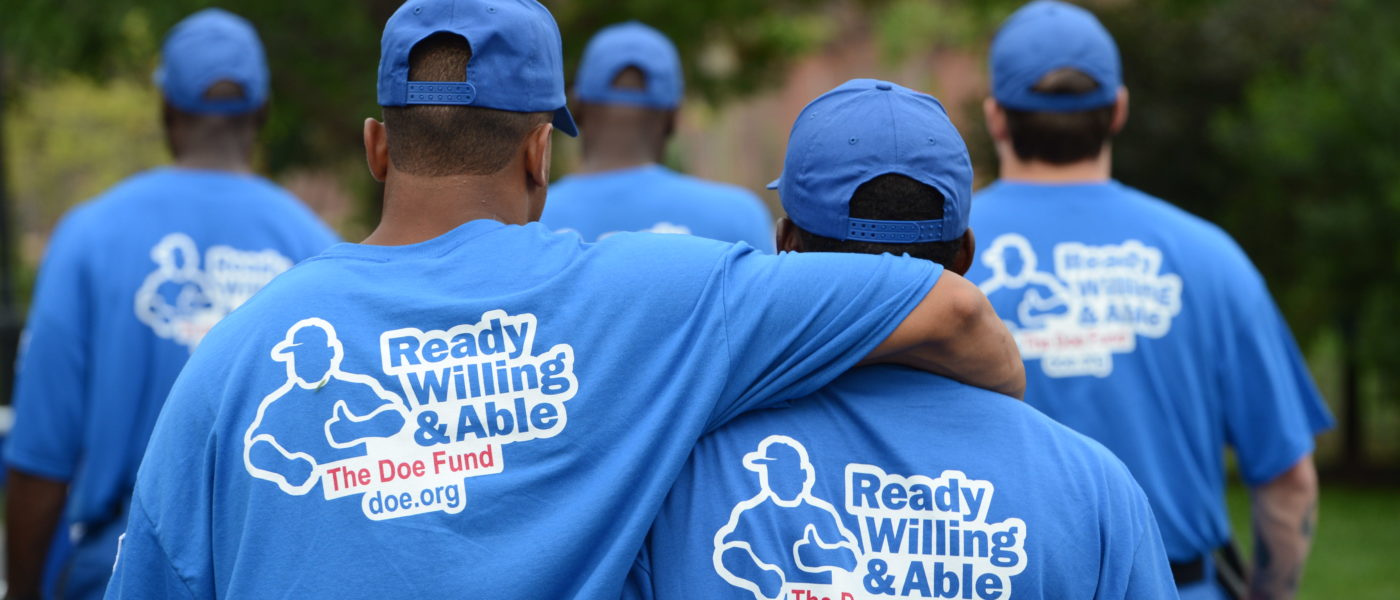

Ready, Willing & Able is a 9 to 12 month transitional work program and provides graduates with lifelong resources. For our "men in blue," graduation means the obtainment of a full-time job, housing, and sobriety. The program consists of four phases.
-
Overview
-
Phase One: Orientation
Orientation provides the first set of tools needed to maintain sobriety and create individualized plans: random drug testing twice a week, orientation sessions, case management, in-house work assignments, parenting workshops, computer skills instruction, and the Test of Adult Basic Education.
-
Phase Two: Work & Skills Training
Our trainees begin full-time work (30 hours per week) in one of our social enterprises, including the Community Improvement Project. After work, they attend classes for life skills, financial management, pre-GED and GED, computer skills, and occupational training.
-
Phase Three: Job Preparation & Placement
By the time our trainees reach the third phase, they begin job readiness classes which cover conflict resolution, interpersonal relationships, identification of occupational aptitudes and interests, resume preparation, and job search and interview skills.
-
Phase Four: Graduation
After 9 to 12 months, our graduates complete Ready, Willing & Able with full-time jobs, housing, sobriety, and reestablished relationships with family. They receive lifelong services such as career counseling, job placement assistance, and further training and education opportunities.
To solve homelessness for a night, you need shelter. To solve it for good, you need work. Since Ready, Willing & Able launched in 1990, it has used paid transitional work and a holistic, individualized service package to catapult individuals into the workforce and out of cycles of homelessness, crime, and addiction.
Through this award-winning program, we've given tens of thousands of individuals the tools needed to rebuild their lives. Every day, our facilities serve 700 formerly homeless and incarcerated individuals, who receive:
Paid transitional work where trainees earn stipends of $7.40 - $8.15 an hour working in our Community Improvement Project and social enterprises
Safe, comfortable housing and three nutritious meals a day
Case management twice a week
Drug relapse prevention through mandatory and random drug testing twice a week, relapse prevention workshops, and AA/NA meetings
Life skills curriculums, including conflict resolution, financial management, and parenting
Occupational training tracks such as Commercial Driving, Culinary Arts, Energy Efficient Building Maintenance, Pest Control, Security, and Supervisor-in-Training
Educational offerings, including GED, pre-GED, adult literacy, and computer skills
Career Development classes, covering topics such as identification of occupational aptitudes and interests, job searching, resume preparation, and interview skills
Job readiness and placement services
Lifelong graduate resources, including career counseling, job placement assistance, and additional training and education opportunities. After completing the program, each graduate receives five $200 installments over a six month period (for a total of $1,000) upon submitting proof of employment.