

Ready, Willing & Able ~ The Doe Fund, Inc. The Doe Fund believes that every human being has the potential to be a contributing member of society. What some lack is the opportunity. The Doe Fund is a Better Business Bureau accredited charity
HOME
  Ready, Willing & Able
  Criminal Justice
  Affordable Housing
  Supportive Housing
> Replication
> The 10 Elements of Ready, Willing & Able
  Case Studies
  Frequently Asked Questions
  Ventures
The 10 Elements of Ready, Willing & Able
Replicate our Program > The 10 Elements of Ready, Willing & Able
The Doe Fund has operated the award-winning Ready, Willing & Able (RWA) program for nearly twenty years. Our holistic approach toward combining paid work with stable housing and support services acts as a platform for formerly homeless and formerly incarcerated individuals to rebuild their lives. While the majority of trainees participate in RWA-Residential, the success of our growing RWA-Day program, which applies the RWA model to the parole population without Doe Fund provided housing, proves that the elements of RWA (outlined below) can be tailored to meet the needs of a broader demographic.
  1. Work Works
  2. Drug testing
  3. Make program facilities beautiful
  4. Hold trainees and staff accountable
  5. Money talks
  6. Financial accountability
  7. A hand up, not a hand out
  8. Partner — don't reinvent the wheel
  9. Hire from within
  10. Work must be real, funded and community-appropriate


  1. Work Works — The core of the RWA program is full-time, paid work. All trainees must work 30 hours per week in a Doe Fund business venture or program facility. The Doe Fund was founded on the premise that when provided the opportunity homeless individuals can and will leave the streets and become self-sufficient. While housing is a necessary resource offered by The Doe Fund, it is employment that provides a permanent path out of homelessness and away from the stigma of incarceration.

    RWA work opportunities afford countless benefits to the trainee, both tangible (financial security, a resume, and references) and intangible (self respect, a sense of purpose, and experience working in a team) all of which lay the foundation for success in the workplace. Though many RWA trainees have worked in the past, and some have technical skills, the work-centered culture of RWA gives individuals an opportunity to build (or rebuild) the soft skills and discipline to find and keep a mainstream job upon graduation. Our experience has shown that the 6 to 9 months of transitional employment provided by The Doe Fund are necessary for a trainee to not only find a job but to keep it.

  2. Drug testing — From the early days of RWA, twice-weekly, random drug tests have been, and still are, a fundamental aspect of the program. Just as RWA would not exist without paid work, drug testing is essential in reminding trainees not to jeopardize their futures by spending their hard-earned cash on drugs.

    While drug testing is time-intensive and expensive, it has repeatedly proven itself to be a worthwhile investment. Nearly 90% of RWA trainees have histories of substance abuse averaging 18 years. Many trainees have had jobs or housing in the past, but due to a cycle of chemical dependency they repeatedly found themselves on the street, breaking family ties, and, often, in prison. To end this pattern, we insist on drug testing not only to ensure that the RWA community is drug- and alcohol-free, but also to positively reinforce to the trainee that staying clean is crucial for the completion of his or her journey to self-sufficiency.

  3. Make program facilities beautiful — Most of us would agree that the aesthetics and comfort of one's home have a direct impact on one's self-esteem, on his or her ability to relax and unwind, and on how he or she will treat his or her environment. When it comes to the formerly homeless, many take this shared belief for granted.

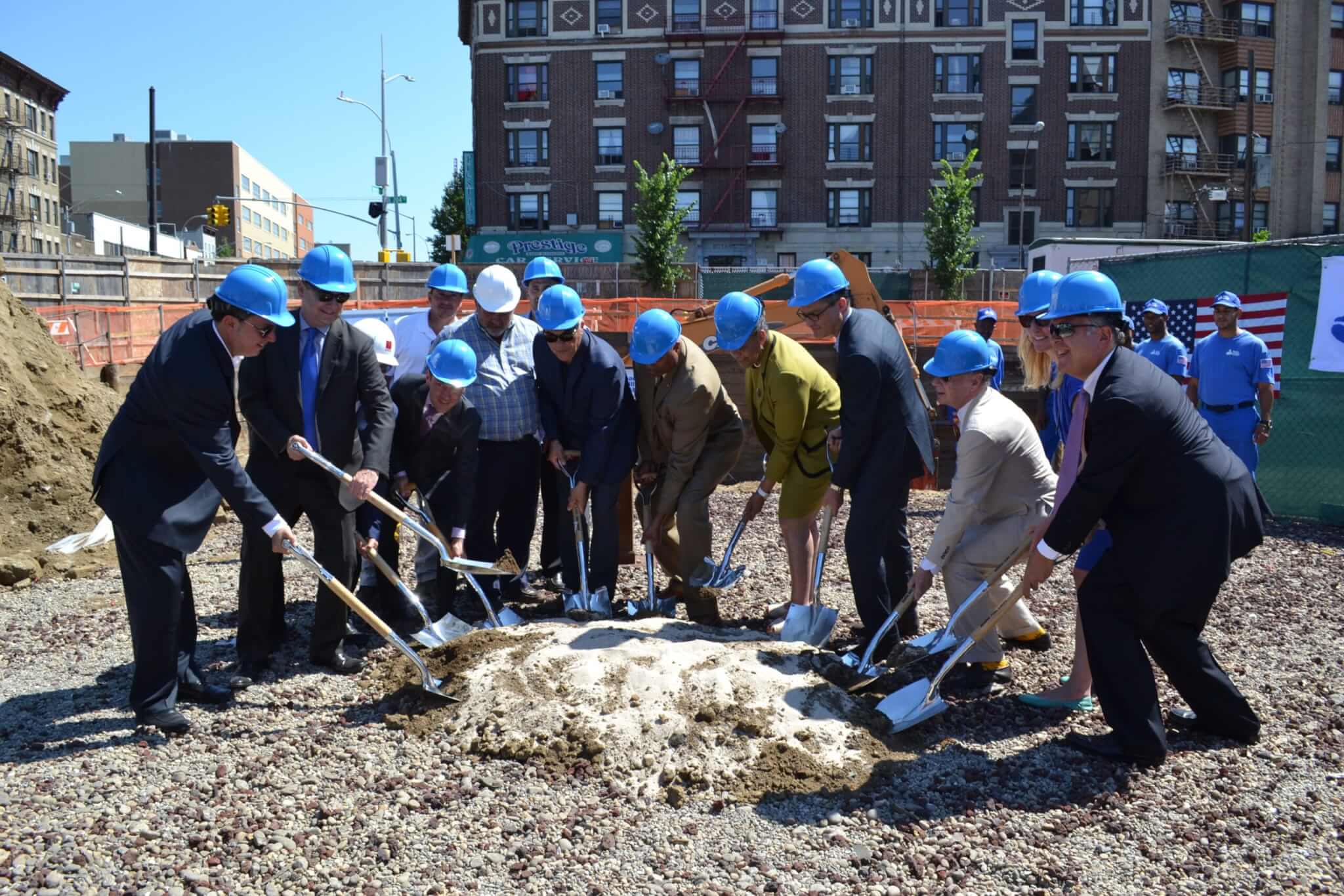
    Always, even in the face of controversy, The Doe Fund has supplemented government contracts with private donations to create state-of-the-art, architecturally relevant, and beautifully decorated housing facilities. With murals and glossy photos on the walls, stylish lighting fixtures, roof gardens, and more, not only are Doe Fund facilities famous for being everything one does not expect from a homeless shelter, they silently — yet forcefully — send a message to program trainees that they are worthy of something beautiful. In turn trainees — even those who leave the program — treat the buildings and fellow inhabitants with the utmost care and respect. Our shelters are the safest in New York City.

  4. Hold trainees and staff accountable — The Doe Fund leadership model insists on respect, accountability, and expectation. This holds true in every aspect of the RWA program, from work to case management to graduate services.

    In order to maintain a culture of openness and respect, conflict resolution is a key component of the RWA program. Trainees and staff are expected to treat each other with fairness in all interactions. However, as in all organizations and workplaces, in practice this is not always the case. At RWA we insist upon an open method of conflict resolution called the "sit-down." A sit-down is a mediated forum for all parties to communicate specifically about an event or issue that resulted in conflict. A sit-down does not end until a conflict has been resolved.

  5. Money talks — In addition to paid work, RWA is built around the recognition that we live in a capitalist system. Therefore, not only are trainees well-compensated for their hard work, The Doe Fund also offers financial incentives as a strategy to promote positive behavior both during the program, such as a paid job search phase, and after graduation when all graduates are eligible for a $1,000 gift. This grant is given over a six month period when graduates show proof of employment, housing and sobriety during monthly visits to an RWA facility. While this strategy encourages participation in RWA graduate services, it also, very simply, is a symbol of recognition from the RWA family to the graduate similar to a gift after a college or high school graduation.

  6. Financial accountability — Throughout RWA, case managers reinforce the importance of saving and prudent financial management. A core element of RWA is a savings program that begins the moment trainees start earning. Trainees are required to save a portion of their weekly pay, and are encouraged to save more if they can. Most trainees come to the program without any financial assets and to afford housing in the cities we operate, it is imperative that trainees save as much as possible.

    In addition, many trainees are heavily in debt. Case managers stress the importance of facing financial obligations (such as child support or student loans) while in the program in order to set a manageable payment plan. We encourage trainees to work toward having a clean slate when they enter the job market so their wages are not garnished, thereby creating an incentive to work "on the books." RWA does not advocate running or ducking from financial obligations, but rather addressing them head on. Since the money earned in RWA is a stipend, it is an ideal time to set agreeable payment terms with creditors.

  7. A hand up, not a hand out — To participate in the RWA program, trainees must work 30 hours a week, stay clean and sober, meet with their case manager, and, at various times in the program, attend job placement classes. Other than compliance in these areas, there are no rules or set paths for how a trainee should experience the program.

    Over the nearly 20 years since RWA was founded, many resources have been developed both internally and with external partners that trainees can take advantage of, but only rarely is participation mandated. Instead case managers work on an individual basis with the trainees on his or her caseload to provide a menu of options with everything from basic education or GED preparation, to advanced vocational training in pest control or computers, to anger management classes and more. A trainee will chose what, if anything, he wants to pursue, and only at that point will it become part of his RWA experience. Most trainees take advantage of at least one option, but it is common for trainees to focus solely on work and sobriety which, ultimately, is what RWA is all about.

  8. Partner — don't reinvent the wheel — The Doe Fund's philosophy is to stick to what we are good at while constantly looking for partners to complement what we do. We partner with educational institutions to provide classes, employers to develop career-oriented training, professional volunteers to provide job interview preparation, government agencies to address issues such as child support arrears, and other non profits to advocate best practice solutions to ending homelessness and criminal recidivism. The Doe Fund is consistently at the forefront of providing insight as policies and practices around employment and housing strategies are reviewed and improved in New York City and the other cities in which we operate, but we do not seek to develop every solution ourselves.

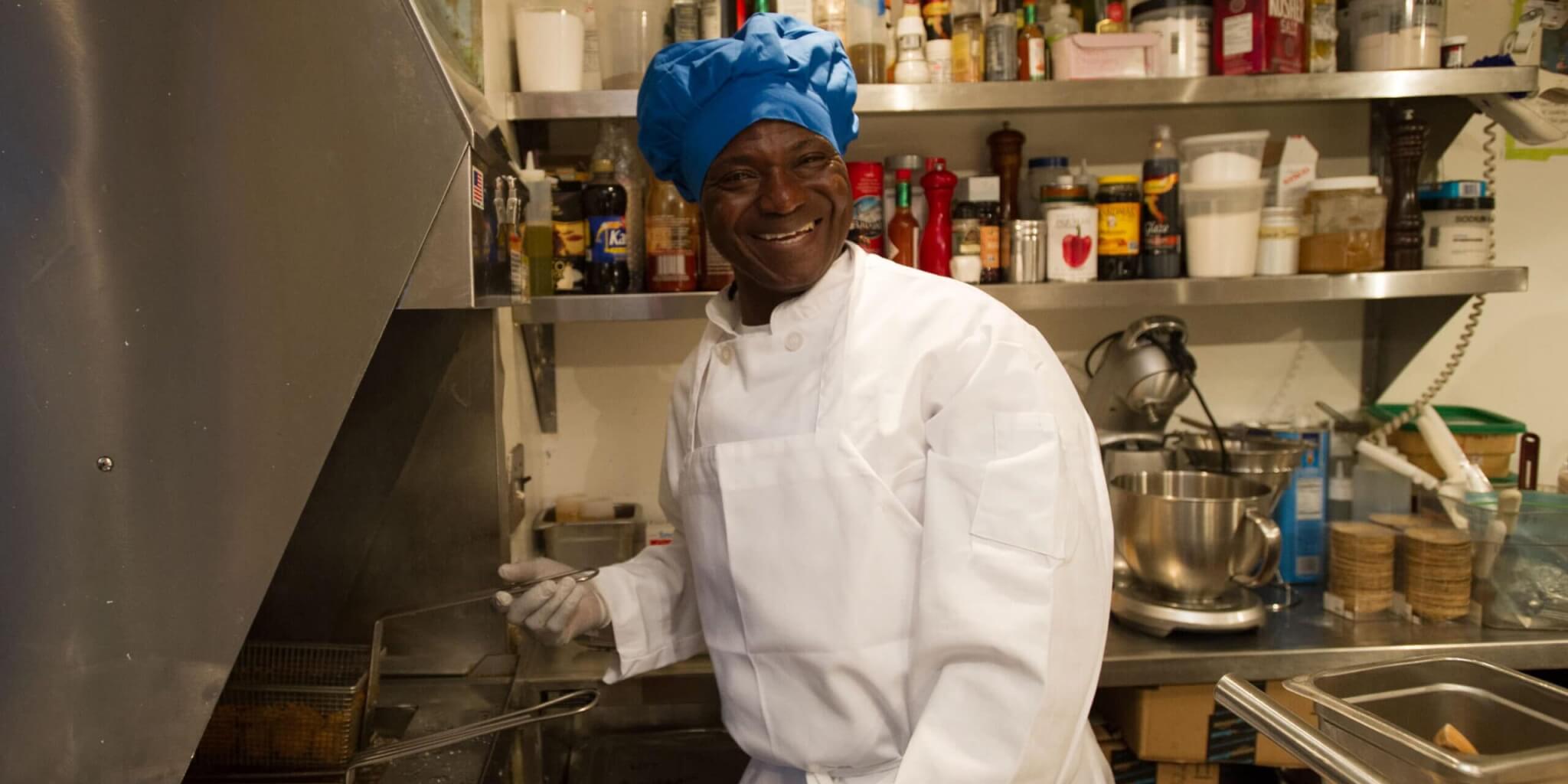
  9. Hire from within — Approximately 60% of RWA program staff are graduates, in every position from entry-level to program director. This strategy offers the ultimate example of what is possible with hard work and perseverance to the trainees in the program. While we recognize that it is helpful to have a fresh perspective from outside hires, a key motivator frequently cited by trainees is that their crew supervisor, case manager, or even the cook in the kitchen has walked in similar shoes.

  10. Work must be real, funded and community-appropriate — The Doe Fund runs business ventures to provide transitional — and some permanent — work for trainees and graduates of the RWA program. The ventures must meet three key criteria in order to fulfill our dual mission of creating work opportunities while functioning as a self-sustaining business: the jobs must be accessible to a wide range of individuals and must match the interests and skills of RWA trainees; the venture must fill a market need and be competitive with other businesses in terms of cost, customer service and quality; and the venture must be able to generate revenue to cover the cost of both doing business as well as additional costs associated with training.

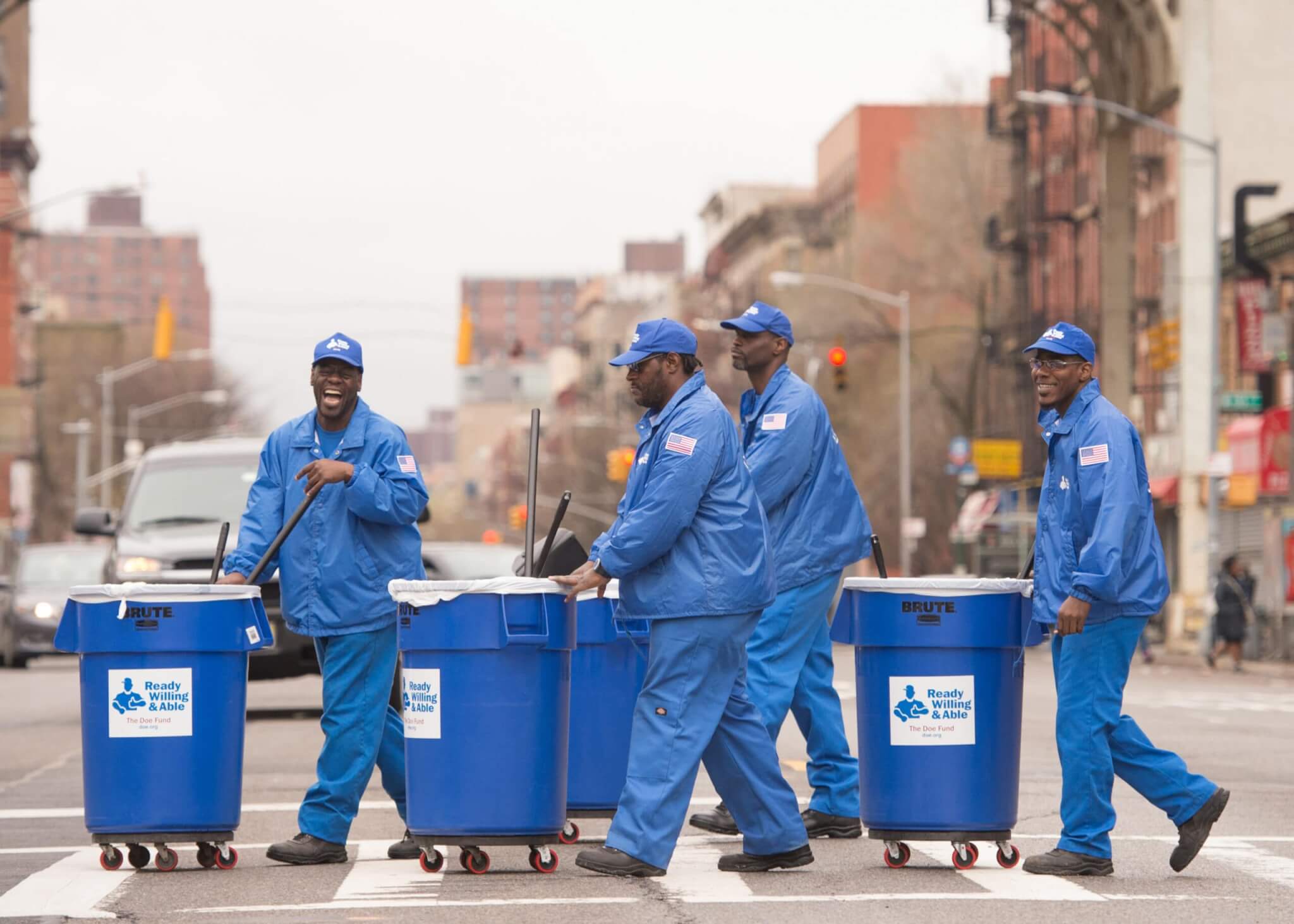
    In addition to ensuring that our business ventures create work opportunities and are viable, The Doe Fund seeks to run businesses that improve the community. Most notably, our Community Improvement Project in New York City provides supplemental sanitation services to over 160 miles of New York City streets. This creates not only goodwill from local government and residents, it allows for increased visibility of the RWA program. Such visibility and name recognition generates donations to support social service and housing operations and, even more significantly, gives program trainees a sense of pride as they are actively improving the community around them. Most recently, The Doe Fund launched RWA Resource Recovery, a successful "green" business that collects waste cooking oil for conversion into biodiesel.