


READY, WILLING & ABLE
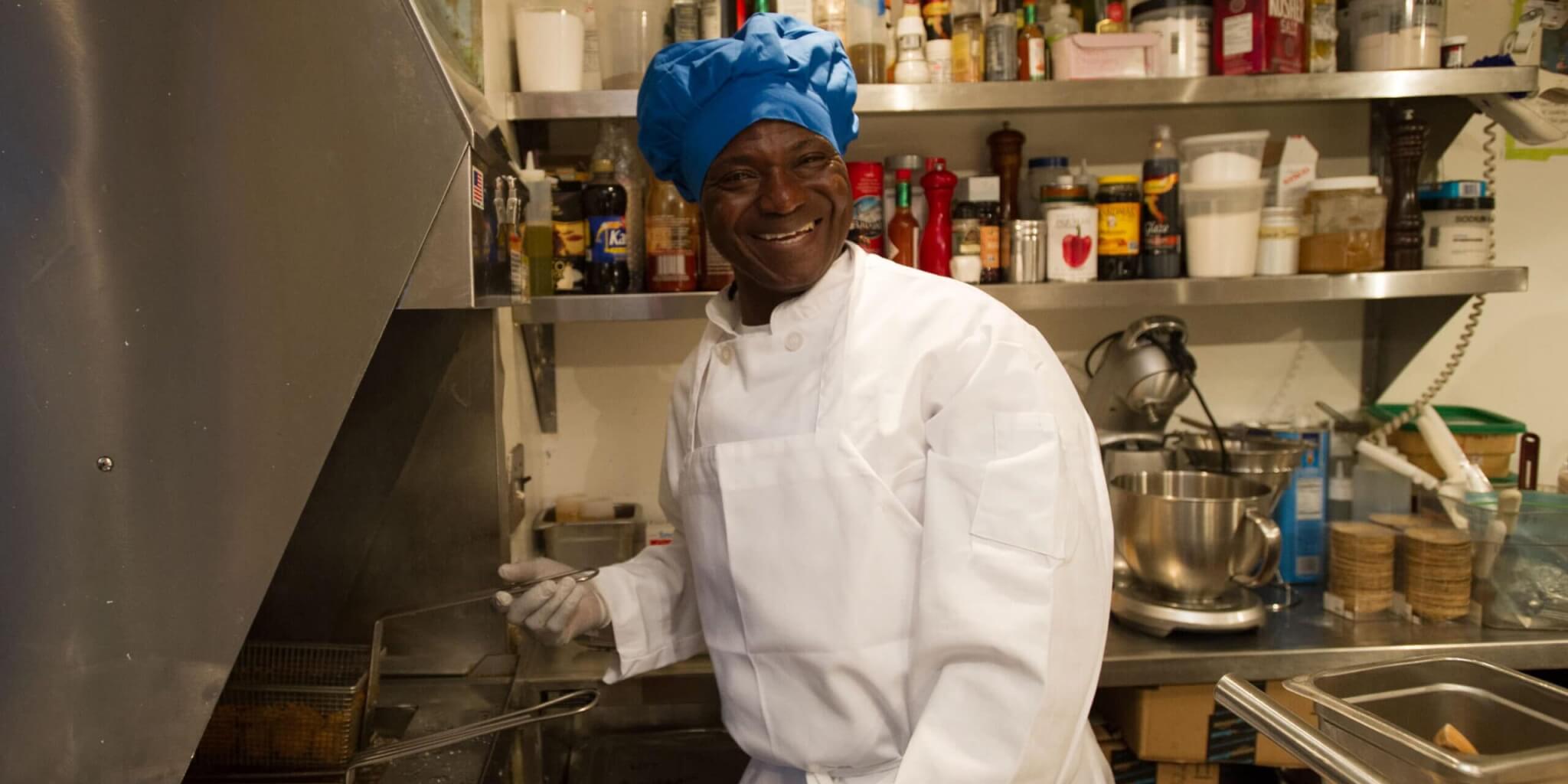
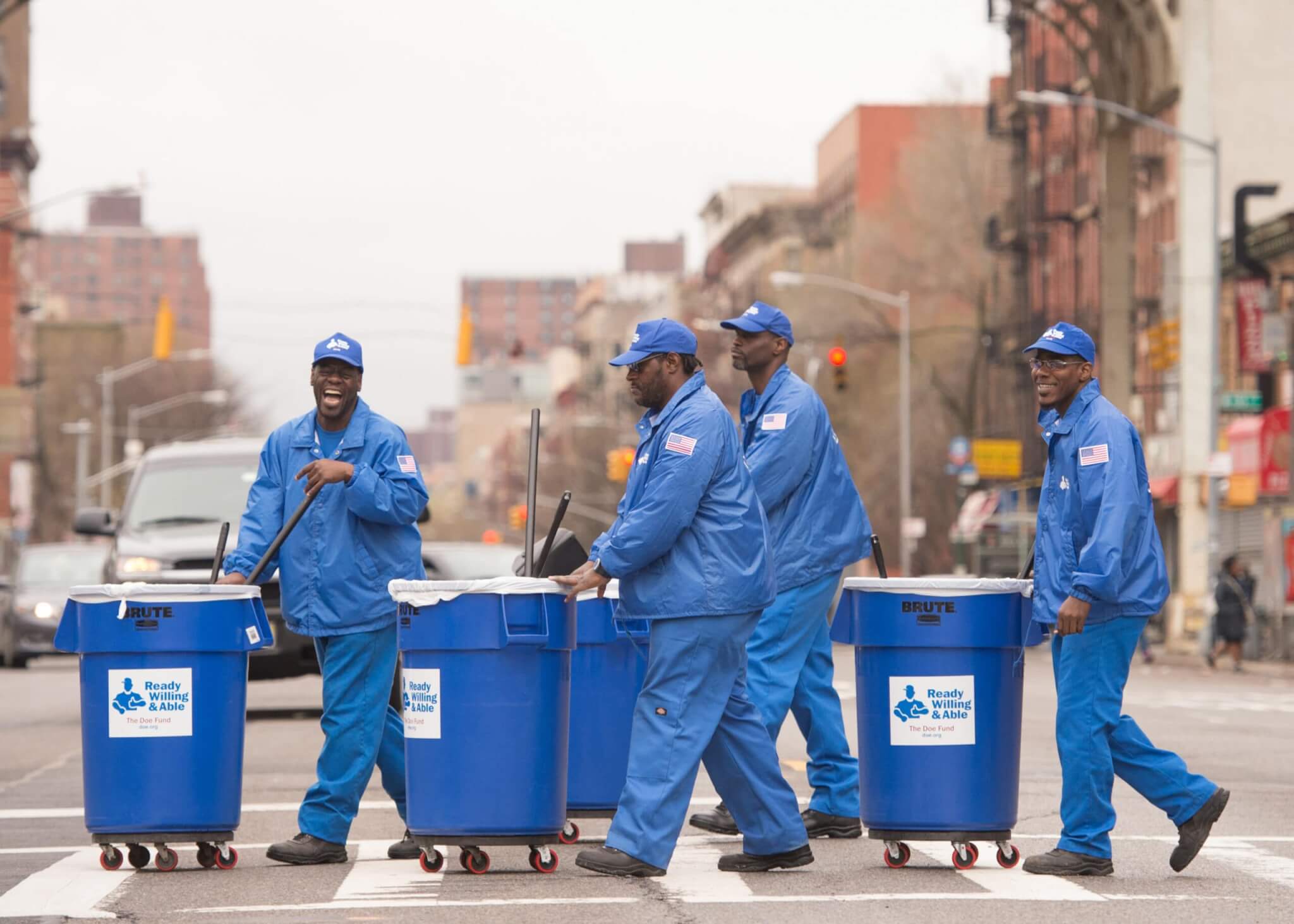
Ready, Willing & Able breaks cycles of homelessness and recidivism. As one of the core Doe Fund Programs, it combines paid transitional work experience, transitional housing, and supportive services — from case management to occupational training, recovery, legal referrals, and much more — to connect people experiencing homelessness to good jobs, permanent housing, and lasting stability.
AFFORDABLE & SUPPORTIVE HOUSING
Access to affordable, high-quality housing is key to solving homelessness. Within the broader network of Doe Fund Programs, The Doe Fund provides individuals and families with histories of homelessness, substance abuse, and severe physical and mental health conditions with access to safe, state-of-the-art, dignified homes and vital on-site social services across 16 residences in operation or development — totaling over 1.2 million square feet.

SPECIAL EVENTS
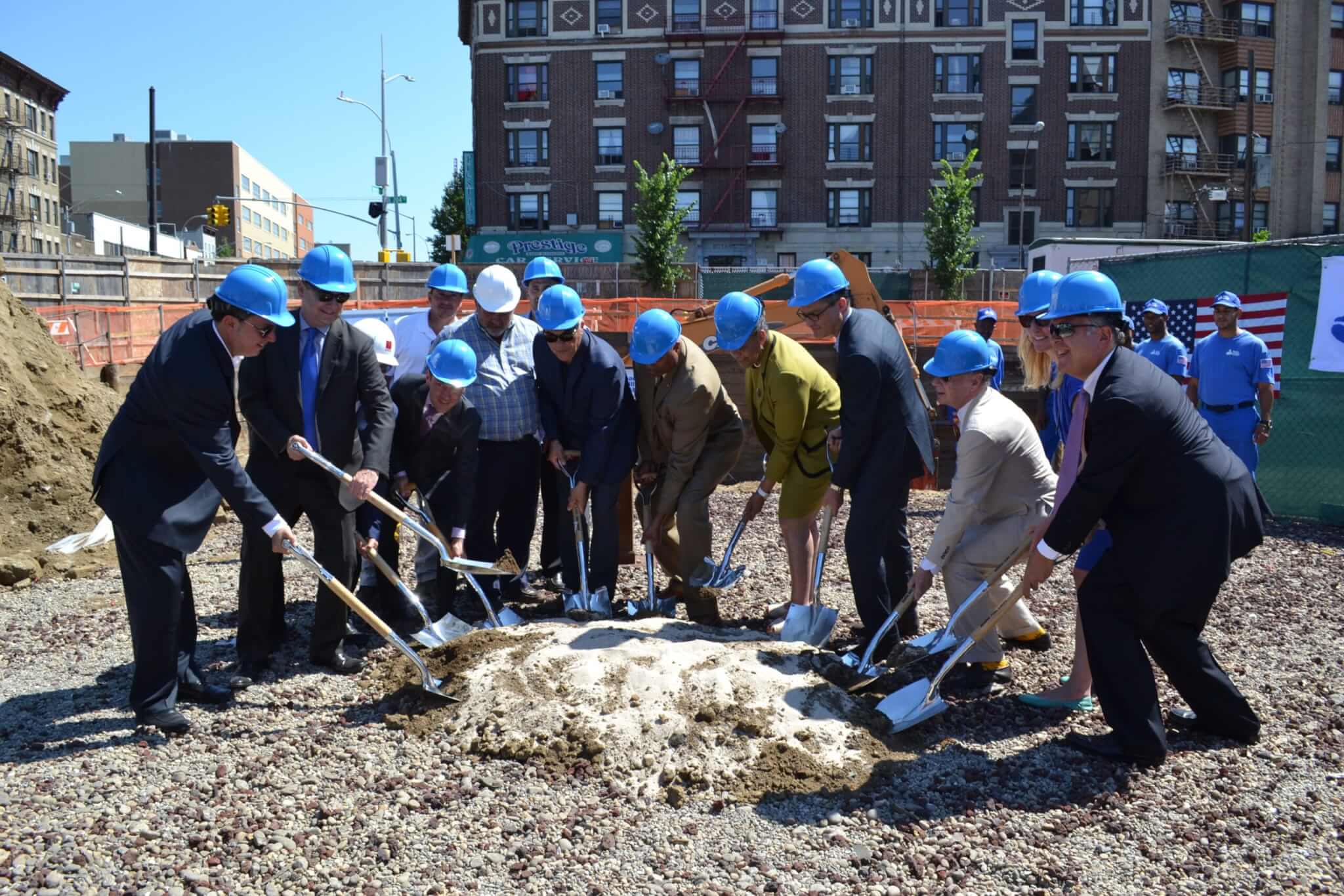
From our Ready, Willing & Able Graduation and alumni events to ribbon-cutting ceremonies, groundbreakings, Galas, the Mama Doe Memorial and more, we welcome you to see the impact of Doe Fund programs in person.